
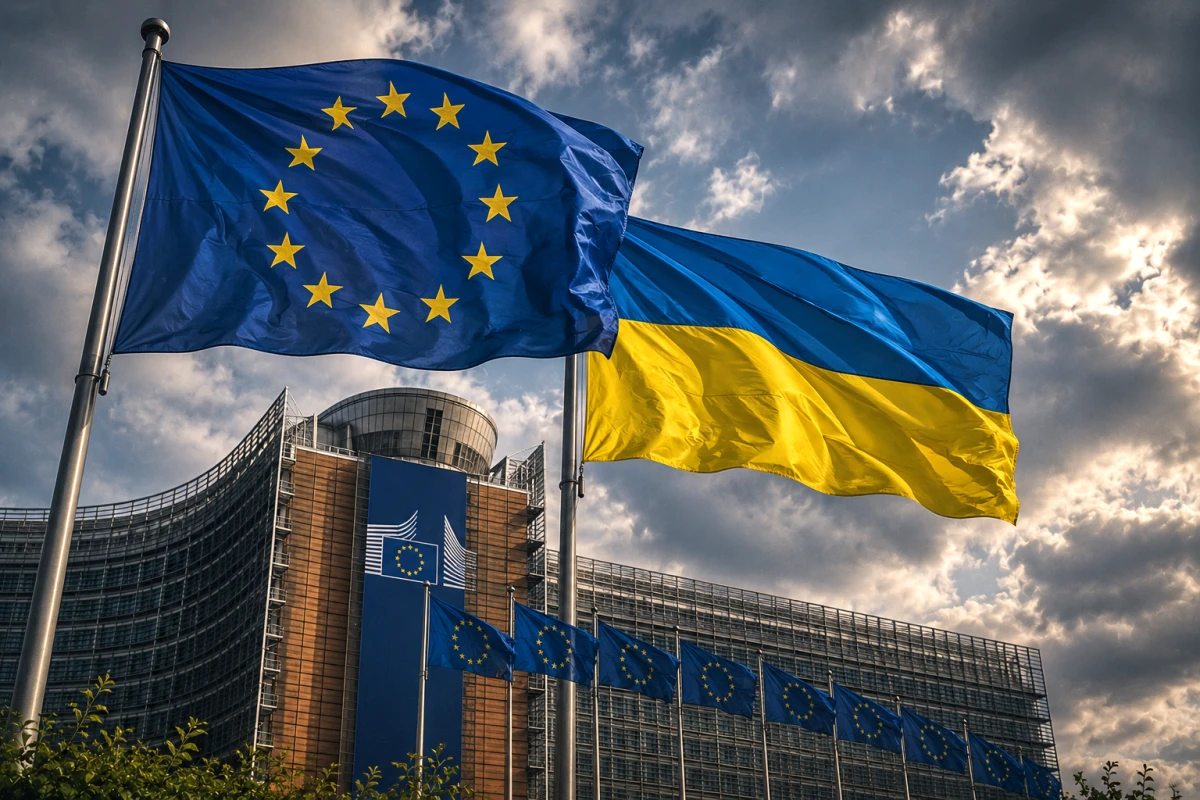
The European Union is not planning to appoint a separate representative for possible negotiations between Ukraine and Russia. Brussels believes that it is more important to determine the overall strategy and prepare new sanctions against Moscow.
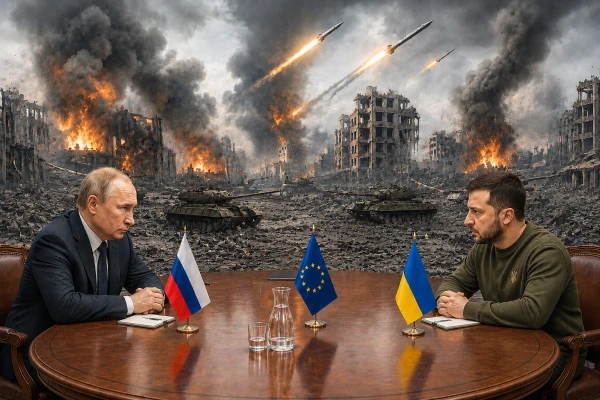
The European Union is not currently planning to appoint a special representative for possible peace negotiations between Ukraine and Russia. This was stated by high-ranking EU officials and diplomats after an informal meeting of the foreign ministers of the union's countries in Cyprus, as reported by DPA.
According to sources, the head of the EU's foreign policy service, Josep Borrell, as well as the largest countries in the union, including Germany, consider it premature to discuss a specific candidate for the negotiator.
At present, Brussels wants to focus primarily on the content of possible negotiations rather than on who will represent the EU. In particular, discussions are underway regarding which topics the union is willing to discuss with Russia and how the EU can participate in the diplomatic process surrounding the war in Ukraine.
At the same time, the European Union continues to prepare new sanctions against Moscow. Already on Thursday, the European Commission and the EU's foreign policy service will present proposals for another package of restrictions to the member states. It is expected that this will affect the financial sector and suppliers of the Russian military industry.
European capitals still believe that Vladimir Putin is not demonstrating a willingness for real negotiations to end the war.
In recent weeks, the EU has actively discussed the idea of appointing a separate mediator or representative for contacts with Moscow. Among the possible candidates mentioned in European media and political circles were former German Chancellor Angela Merkel, Finnish President Alexander Stubb, and former President of the European Central Bank Mario Draghi.
Putin himself had previously publicly suggested the candidacy of former German Chancellor Gerhard Schröder, who is known for his long-standing ties to the Kremlin. However, both Berlin and EU representatives immediately rejected this option.
German Chancellor Friedrich Merz emphasized that European countries will decide for themselves who can represent their interests in possible negotiations.
In fact, the EU is currently trying to avoid a situation where discussions about personnel begin to outpace real political agreements. Brussels fears that the premature appointment of a negotiator could create the impression of a willingness to compromise even before conditions for a serious diplomatic process arise.
For now, the main tool for pressure on Russia in the EU continues to be sanctions and support for Ukraine.






Leave a comment