
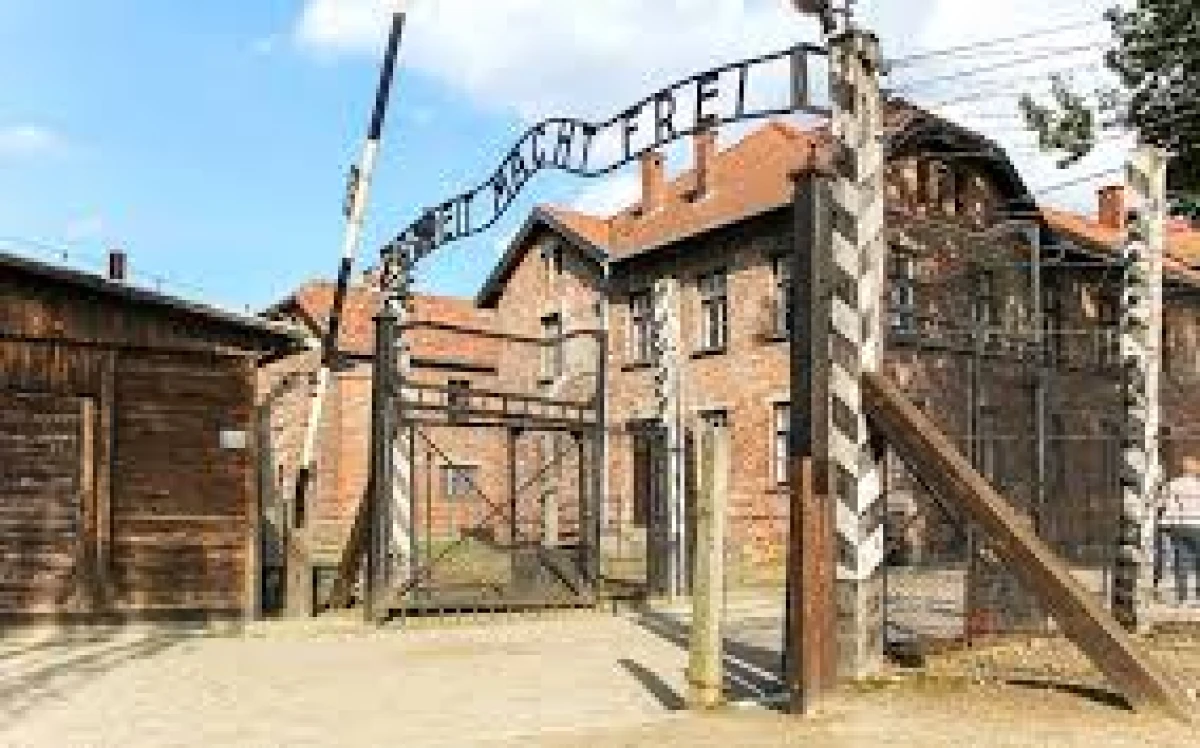
The number of inquiries to the special archive from the relatives of Nazi victims is increasing.
Interest in the history of persecution by the National Socialists is growing in society. Currently, the largest international center "Archives of Arolsen," which holds documents about the victims and survivors of the Nazi regime, is receiving the highest number of inquiries in the last 20 years, reported the new head of the organization Moritz Wein. Most of these are requests from relatives and descendants of victims of the Nazi regime who wish to learn more about their family history, Wein noted in a conversation with the news agency epd. The archive contains information about more than 17 million people, according to Deutsche Welle.
The "Archives of Arolsen" center holds more than 40 million documents, including digitized ones. As stated on the website, it is the most extensive repository of its kind in the world.
About nine months ago, the "Archives of Arolsen" and the Bavarian State Archive began collaboration on studying farewell letters from execution sites organized by the Nazis. Among the touching documents are more than 50 notes from prisoners that were never delivered to their relatives, which were kept at the time by the prison administration or correctional institutions. Thanks to a Europe-wide network of volunteers, 14 families have already been located. One example of a successful search for surviving relatives is the investigation of the case of Lorenz Frühschütz, executed at Munich-Stadelheim prison on October 12, 1943. Volunteers found traces of his daughter on social media. Helga Knott, living in Sardinia, learned about her father's fate for the first time from the found note. Munich-Stadelheim prison was a "central execution site" during the National Socialist era and is considered one of the main sites of Nazi injustice in Munich - by the end of 1945, 1,188 people had been executed there. Additionally, participants in the project, which spread on social media under the hashtag #lostwords, have gathered extensive information about the senders of farewell letters. The search for relatives is facilitated by often detailed information from execution protocols stored in the Bavarian State Archive in Munich.










Leave a comment