
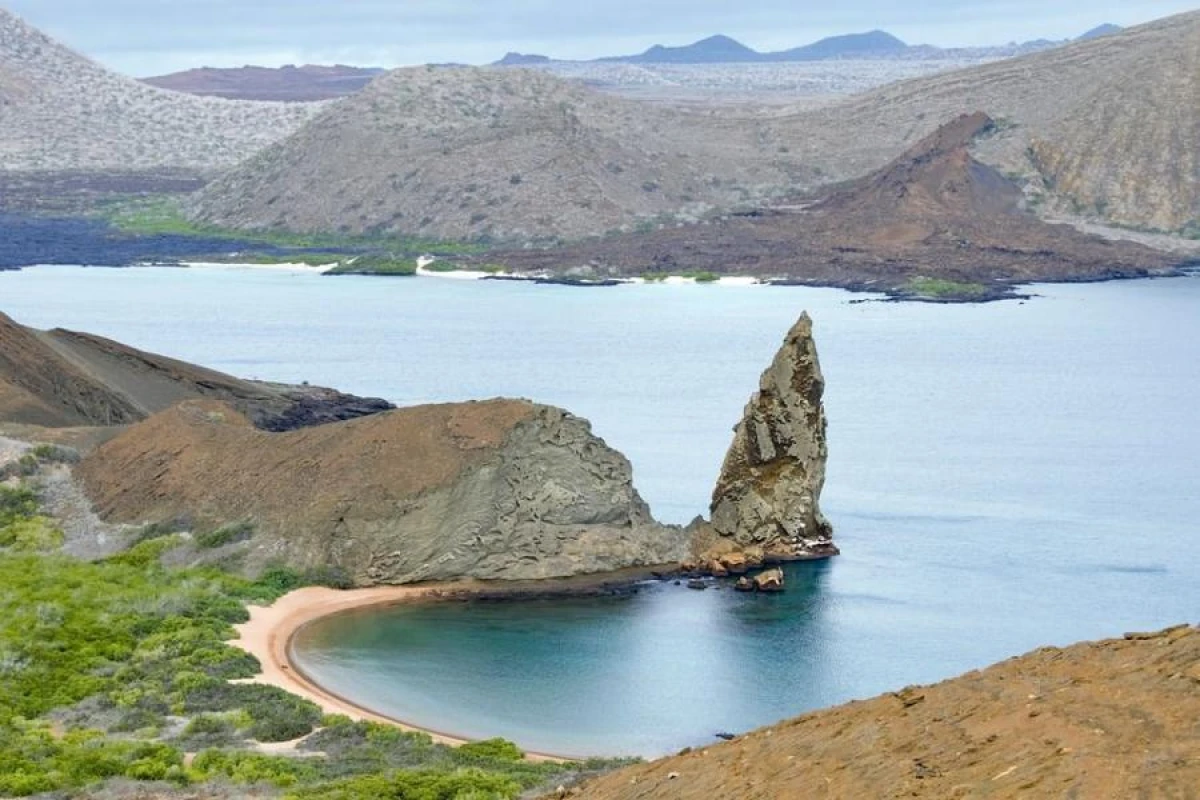
Iceland has become the first country in the world where a reduced workweek has effectively turned into a national standard, reports CNN Business.
Until now, many countries have talked about it, but no one dared to implement it. The main fear is that reducing working hours will harm the economy and decrease company efficiency. So everyone encouraged each other to experiment, but no state was in a hurry to become a test subject.
Iceland, with its tiny population of 350,000 people, decided to become a pioneer in this matter. However, they planned to test the new model initially on 2,500 workers. Two pilot programs from 2015 to 2019 included not only office workers but also kindergartens, schools, hospitals, social services, police, and other government structures.
The basic model involved reducing the workweek from 40 to 35–36 hours without a decrease in salary. To achieve this, companies and government institutions optimized work processes, reduced the number of meetings, and eliminated unnecessary tasks.
The results were processed by the British analytical center Autonomy and the Icelandic organization Alda. They showed several important changes after the reduction in working hours:
-
Employees experienced lower levels of stress and emotional burnout;
-
Mental and physical health improved;
-
More time became available for family and leisure;
-
Concentration and work efficiency increased.
Well, it is clear that people enjoyed working less. There is no need to conduct an experiment for that. But what about the economy?
Contrary to fears, Iceland's economy grew by about 1.3% in 2025, and an acceleration of growth to 3% is expected in 2026. These figures are higher than those of several major European economies, including Germany, France, Italy, Switzerland, and Norway. Meanwhile, the unemployment rate in the country remains one of the lowest in Europe.
Currently, up to 86% of the entire workforce in the country has switched to a reduced schedule (up to 35-36 hours a week) without a loss in salary. The results of government programs have been recognized as astonishingly successful.
However, other countries, acknowledging this success, are still hesitant to replicate it. The economy of a sparsely populated island, which is based on three main sectors: services, fishing, and tourism, is one thing. The economy of larger countries with developed industries, where much depends on a continuous cycle, is quite another.
It would be interesting to understand what the economy of Latvia represents.










Leave a comment