
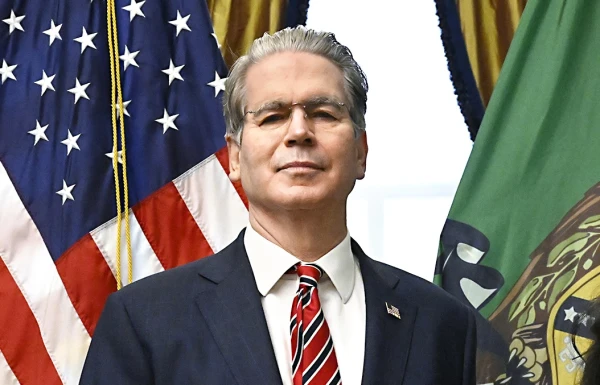
The U.S. does not intend to extend the sanctions exemption that allows the purchase of Russian and Iranian oil products already at sea, U.S. Treasury Secretary Scott Bessent stated.
The U.S. does not plan to extend the temporary sanctions exemption that allows countries to purchase Russian and Iranian oil products already at sea, U.S. Treasury Secretary Scott Bessent said in an interview with the Associated Press (AP) published on the evening of Friday, April 24. Moreover, the issue of extending the one-time exemption previously made for energy resources from Iran is not on the agenda at all, the secretary explained, writes DW.
Bessent admitted that the previous exemption for Russian oil was made after he was asked to do so by "more than 10 of the most vulnerable and poorest countries" during meetings of the World Bank Group and the International Monetary Fund (IMF) in mid-April.
"This was done for these vulnerable and poor countries. But I can't imagine that we will have another extension. I think that Russian oil at sea is mostly already depleted," he explained.
At the same time, pressure on Iran, Scott Bessent believes, will soon force Tehran to cut oil production: "We think that in the next two to three days they will have to start reducing production, which will be very bad for their wells."
The U.S. Extended Partial Sanctions Relief for Russian Oil Until May 16
On April 18, Reuters reported that the U.S. extended the license for the sale of Russian oil and oil products already loaded onto tankers until May 16. Previously, Scott Bessent had stated that Washington would not extend the exemptions.
The previous relaxations by the U.S. regarding the export of Russian oil were introduced on March 13 amid rising energy prices caused by the war in Iran and the blockage of the Strait of Hormuz, and were in effect for 30 days. At that time, Bessent called it a "narrowly targeted and short-term" measure that should not significantly impact Moscow's oil revenues. However, The New York Times reported on April 13 that after the easing of sanctions, Russia was receiving more than $100 million in additional daily revenue from oil sales.
Opposition to the temporary easing of restrictions came from, among others, Ukrainian President Volodymyr Zelensky and the country's ambassador to the United States, Olha Stefanishyna.









Leave a comment