U.S. ships did not intercept the Russian vessel carrying 730,000 barrels of oil to Cuba. Donald Trump stated that he "does not see a problem" with such supplies, despite the blockade of the island he previously announced.
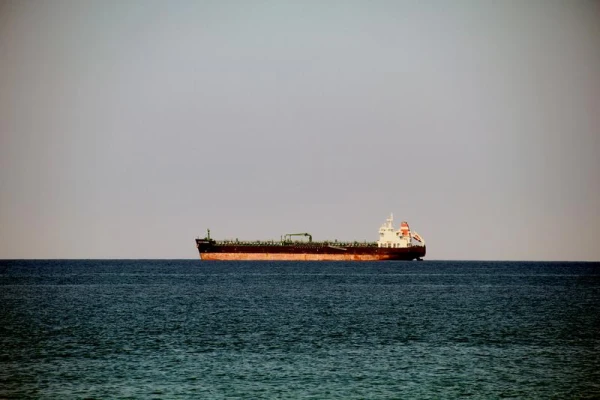
The U.S. Coast Guard did not intercept the Russian tanker "Anatoly Kolodkin," which is carrying 730,000 barrels of oil to Cuba. On the night of Monday, March 30, the Associated Press reported that the vessel is now directly off the eastern tip of the island and may arrive at the Cuban port of Matanzas by March 31, according to DW.
Two U.S. Coast Guard patrol boats are near Cuba. On March 29, The New York Times reported that these ships had not received orders to intercept the Russian oil tanker, despite the effective blockade of the island previously announced by U.S. President Donald Trump.
Trump himself told reporters on the night of Monday that "if any country wants to send some oil to Cuba right now," he "does not see a problem with that," "whether it’s Russia or not." "We’re not against someone getting that shipment because they need it... they have to survive," added the head of the White House.
Experts interviewed by The New York Times believe that the arrival of the Russian oil tanker will provide Cuba with fuel supplies for at least several weeks.
Trump’s Pressure on Cuba
After the U.S. attack on Venezuela - Cuba’s closest ally - and the seizure of its ruler Nicolás Maduro, Caracas stopped oil supplies to the Cubans. At the end of January, Trump called Cuba "an extraordinary threat to the national security of the United States" and threatened all countries that continue to supply oil or petroleum products to Havana with punitive tariffs. On March 16 and 21, Cuba experienced two nationwide blackouts due to a severe fuel shortage.
On March 16, Donald Trump also stated that he could "liberate, take" Cuba and generally do "whatever he wants" with it, as it is a "very weakened country." Cuban President Miguel Díaz-Canel responded by stating his readiness to provide "unyielding resistance."
In an interview published on the same day with NBC News, Cuban Deputy Prime Minister Oscar Pérez-Oliva indicated that Havana "is ready for flexible trade relations with companies from the U.S., as well as with Cubans living in the U.S. and their descendants." However, U.S. Secretary of State Marco Rubio called this concession insufficient for implementing reforms to create a free market that the Trump administration would like to see in Cuba.