
How the world is fighting the global energy crisis
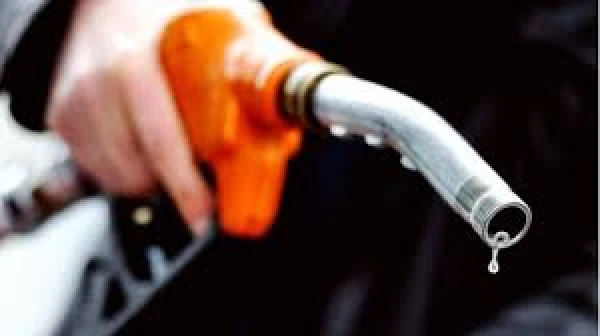
Almost a complete blockade of the Strait of Hormuz by Iran has provoked a global energy crisis. Countries around the world, their residents, and businesses are trying to cope with rising prices for oil, gas, and petroleum products, and are solving the emerging problem in various ways - by rationing fuel consumption, sending employees to work from home, or refusing air travel.
In Sri Lanka, private car owners can only receive 15 liters of gasoline per week, using a special QR code-based system. In other Asian countries, such as Cambodia, a third of gas stations are closed, while Myanmar has introduced an "odd-even" vehicle number system. This means that cars with odd registration numbers can refuel on one day, while those with even numbers can only do so the next day. In New Zealand, the government is considering reintroducing "car-free days" - car owners will have to choose a day of the week when they cannot drive their cars.
China, according to Deutsche Welle, is taking a somewhat different approach, having abandoned a planned fuel price increase after prices at gas stations rose by 20% since the start of the US and Israel's war against Iran.
Slovenia became the first EU member state to introduce fuel sales rationing at the end of March: private car drivers are allowed to purchase no more than 50 liters per week, while businesses and farmers can buy 200 liters. Slovakia has imposed temporary restrictions on the sale and export of diesel fuel.
As the European Union is unwilling to develop a unified position, each member must take its own measures. Germany has already felt the impact of rising gasoline and diesel prices to 2 euros and above per liter, which is 18% more than two weeks ago. The Bundestag approved a bill on March 26 allowing gas stations to raise prices only once a day.
In addition to fuel rationing, a common strategy in various countries is to encourage people to work from home more frequently. Pakistan has introduced a mandatory four-day workweek for civil servants, while the Dominican Republic is urging companies to reduce the time their employees must spend at work.
Egyptian authorities are seeking to reduce electricity consumption by mandating the closure of shopping centers and restaurants at 9:00 PM, and all government institutions at 6:00 PM. Similarly, Bangladesh and Thailand have set maximum allowable temperatures in government buildings at 25 and 26 degrees Celsius, respectively, to save on air conditioning costs. Kenya has banned fuel exports and introduced strict rationing. In Zambia, those hoarding gasoline are threatened with fines. At the same time, Africa, like Asia, is heavily dependent on oil supplies from the Middle East.














Leave a comment