
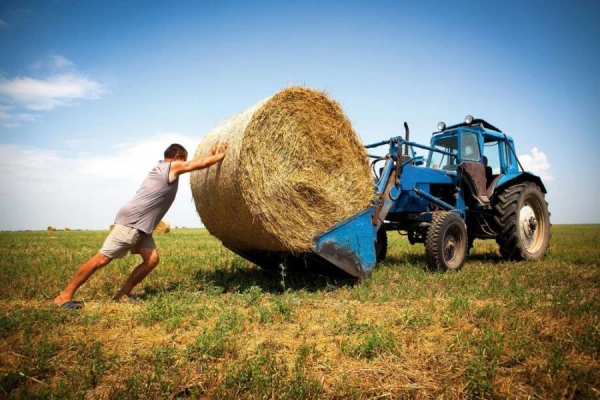
Polish agrarians fear an influx of cheap products from South America, which may lead to a decrease in prices for agricultural products in the EU and reduce the incomes of local farms.
Polish farmers took to the streets of cities across the country on Friday to express their protest against the EU-MERCOSUR agreement.
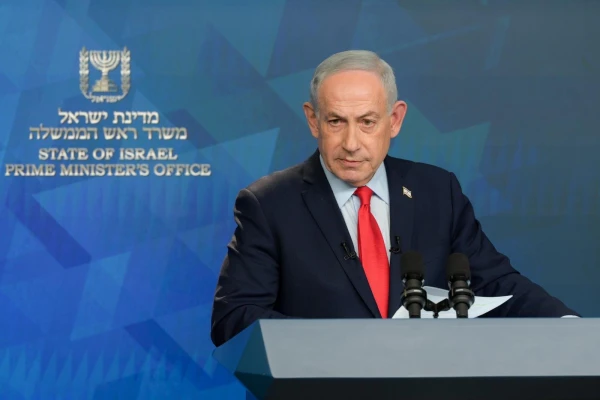
In Warsaw, demonstrators from various regions marched through the city center to the building of the Sejm and then to the Prime Minister's office. Earlier, several hundred tractors headed to the capital but were stopped at the entrance.
In an interview with Euronews, a farmer from the Pomeranian Voivodeship spoke about the reasons for the participants' discontent.
"We came here to protest against the leadership of the European Union. Over the last 20-30 years, we have started producing healthier food that meets established standards. And today, the same Union is violating all these norms and starting to import goods from countries outside the bloc and from various countries in South America," our interlocutor lamented.
Earlier on Friday, President Karol Nawrocki met with farmers at the presidential palace.
Agreement 'from Another Era'
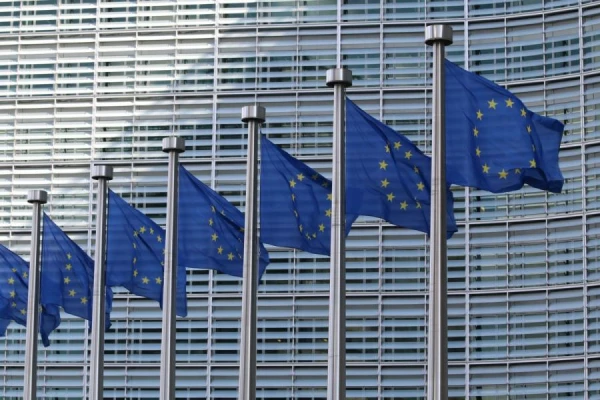
The trade agreement between the European Union and MERCOSUR, a bloc of South American countries, has been a subject of controversy and opposition in Poland and other EU countries for many years. After 25 years of negotiations, the agreement is at the stage of being adopted by member states and the European Parliament.
Protests against the agreement continue. In Lyon and Paris, farmers drove their tractors into central squares, paralyzing traffic.
"This agreement is from another era, which has been discussed for too long; its foundation is already outdated," French President Emmanuel Macron wrote in a comment on X.
Government and Farmers - A United Front?
Although the Polish government opposes the deal, the protesters believe that it has not made enough effort to protect the country's agriculture.
The leader of the People's Party and Deputy Prime Minister Władysław Kosiniak-Kamysz sharply criticized the agreement with MERCOSUR during a recent meeting in Gdów. He noted that Poland should not make decisions that threaten domestic agriculture, food security, and the principles of fair competition in the European Union market.
Adam Janicki, a representative of the agrarian association "New Wave," comments:
"It's a pity that the government has only now taken such a clear position. I believe they should have expressed their disagreement much earlier and come to the negotiating table. This is somewhat frivolous. We are facing one of the biggest threats to Polish agriculture in many years," he asserts.
"We are outraged that the authorities surrendered too quickly in the process of creating a blocking minority for signing. A long time ago, we heard from politicians that nothing could be done about it," says Damian Murawiec from the "All-Polish Farmers' Protest."
Former Prime Minister Mateusz Morawiecki from the Law and Justice party wrote on his page on X: "It is also worth remembering that by purchasing food from MERCOSUR countries, we are indirectly financing Putin's Russia. In 2024, Brazil was the largest importer of Russian fertilizers in the world - it purchased about 11.4 million tons! This is more than a quarter of all Russian agrochemical exports worth over 3 billion dollars!"
The European Commission does not share the farmers' concerns and emphasizes that the conclusion of the agreement will benefit them. According to the EC, agricultural producers will benefit, in particular, from the elimination of tariffs on goods such as wine, olive oil, or chocolate, as well as from geographical indications for regional products such as sheep cheese, vodka, and certain meat products.
It is also expected that the agreement will open markets in South American countries to modern technologies from Europe. Furthermore, the Commission anticipates that MERCOSUR countries will become a source of key raw materials for the development of low-carbon technologies. The agreement between the EU and MERCOSUR also includes a section on sustainable development with binding norms regarding labor conditions, environmental protection, and climate. Provisions for nature protection are included, including the obligation of both parties to comply with the Paris Agreement.
To calm the farmers, the Commission proposed to open access to financing of 45 billion euros by 2028 under the next budget of the Common Agricultural Policy, with 10 percent of funds from national and regional budgets directed to support rural areas.
Minister of Agriculture Stefan Krajewski promised systemic support for farmers by increasing subsidies, funding infrastructure, and various compensations.
Despite protests across Europe, EU countries voted in favor of the trade deal with MERCOSUR on Friday.
Poland, France, Hungary, Ireland, and Austria voted against. Belgium abstained. The remaining EU countries supported the initiative.
Minister Krajewski stated that he intends to appeal to the Court of Justice of the European Union regarding the trade agreement.



Leave a comment