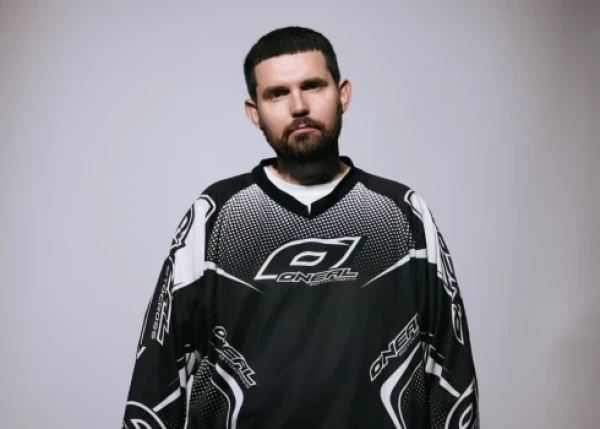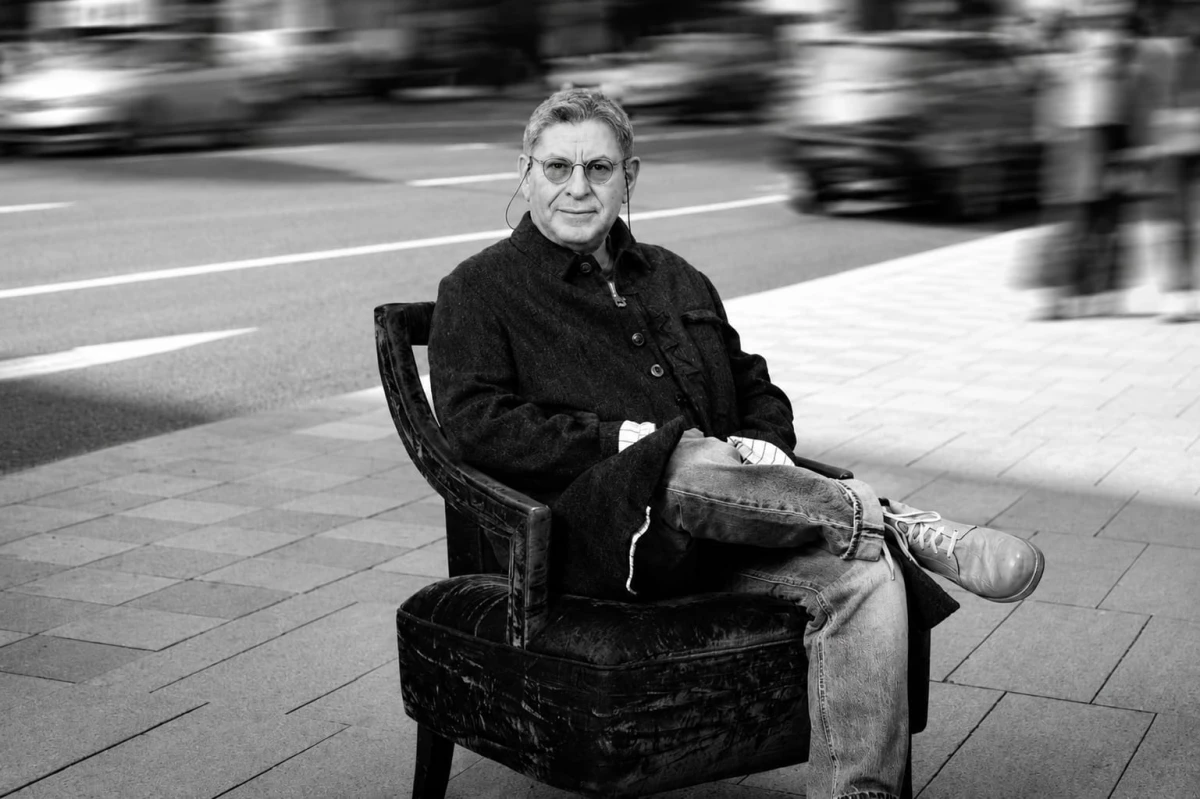
On July 25 at 16:00, there will be a meeting with the famous psychologist and writer Mikhail Labkovsky at the Jūrmala hotel "Hotel Jūrmala SPA."
According to the results of many studies, one of the most severe psychological problems that people experience today in various corners of the planet is anxiety. This is quite understandable: we barely managed to cope with the global crisis of the 2010s and its consequences when the pandemic struck. We have not yet recovered from the pandemic — the world has become covered with "hot spots"…
Economic instability, uncertainty about what will happen to us and the world, an abundance of information that completely robs us of sleep and peace — how can one maintain inner calm in such circumstances?!
This question marked the beginning of our conversation with Mikhail Labkovsky on the eve of the upcoming meeting with the audience at the "Hotel Jūrmala SPA."
-- According to WHO data, anxiety is currently considered one of the most widespread and significant mental health issues. This is related to the global economic crisis, wars, rapid and drastic changes in the world, and the absolute unpredictability of what tomorrow will bring.
-- The theme of the upcoming meeting at "Hotel Jūrmala SPA" is called "Being Happy in a Complex World: About Inner Balance and Choice." I intend to talk about how to live happily and enjoy life despite the current challenging conditions.
But a psychologist cannot change the objective reality that generates this anxiety. How can one help in this situation? Reality — yes, cannot be changed, but one’s attitude towards it can be. This is a matter of mental reactions that can and should be corrected.
Let me give you an example. Many people suffer from aerophobia — they are afraid of flying in airplanes. But the same person is not afraid to ride in a car, even though, statistically, car accidents are thousands of times more common than plane crashes. The reason is that a person cannot control an airplane, unlike a car, and this makes them nervous. Moreover, they usually do not even realize the root cause: they simply feel afraid, and that’s it. But when they begin to understand that both in a car and in life in general, their safety depends on many factors that they cannot control, they come to the realization that flying in an airplane is no different from other places and situations where they feel completely safe. And when they reach this understanding, they "let go" — they rid themselves of their fears and subsequently fly without experiencing any discomfort. But for this to happen, a psychologist is needed — that is, someone who, firstly, understands what lies at the root of the fear, and secondly, professionally helps to cope with this phobia.
When talking about anxiety as a widespread phenomenon in general, one of the root causes lies in the strong desire of people to control everything that happens in their lives and to try to predict the future. But the reality is that a person cannot control anything in life at all, and in a rapidly changing, unpredictable world, they receive confirmation of this at every turn. This undermines their stability, makes them unhappy, literally killing them morally and psychologically. How to cope with this, how to find inner peace, and how to feel happy despite everything — this is what we will discuss at the meeting on July 25.
-- You actively work in the online environment, giving recommendations and sharing experiences. And now there is an upcoming "live" meeting. What is the difference between "digital" presentations and what awaits your audience at "Hotel Jūrmala SPA"? And what result would you like to achieve?
-- The difference is enormous. It’s like the difference between theater and cinema. In theater, we perceive everything emotionally in a completely different way — not like on screen. And the actors who perform on stage act in a completely different emotional state. When you perform in front of a live audience, feeling the people who are just a few meters away from you — it’s a completely different energy, a different perception!
Secondly, during the meeting, which lasts about an hour and a half, people have the opportunity to ask questions directly and receive answers immediately. And even if a person, for some reason — for example, due to excessive shyness — cannot bring themselves to ask what concerns them, they still have a chance to get an answer through someone who asked a similar question: after all, everyone present is united by a common theme.
As for the result I would like to achieve — I want everyone who comes to this meeting to feel a lift in their spirits and relief by the end of it. To rid themselves of tension, anxiety, and uncertainty. To start simply living and enjoying life.