Chefs call the water in which pasta was cooked “liquid gold.” Find out why in our article.
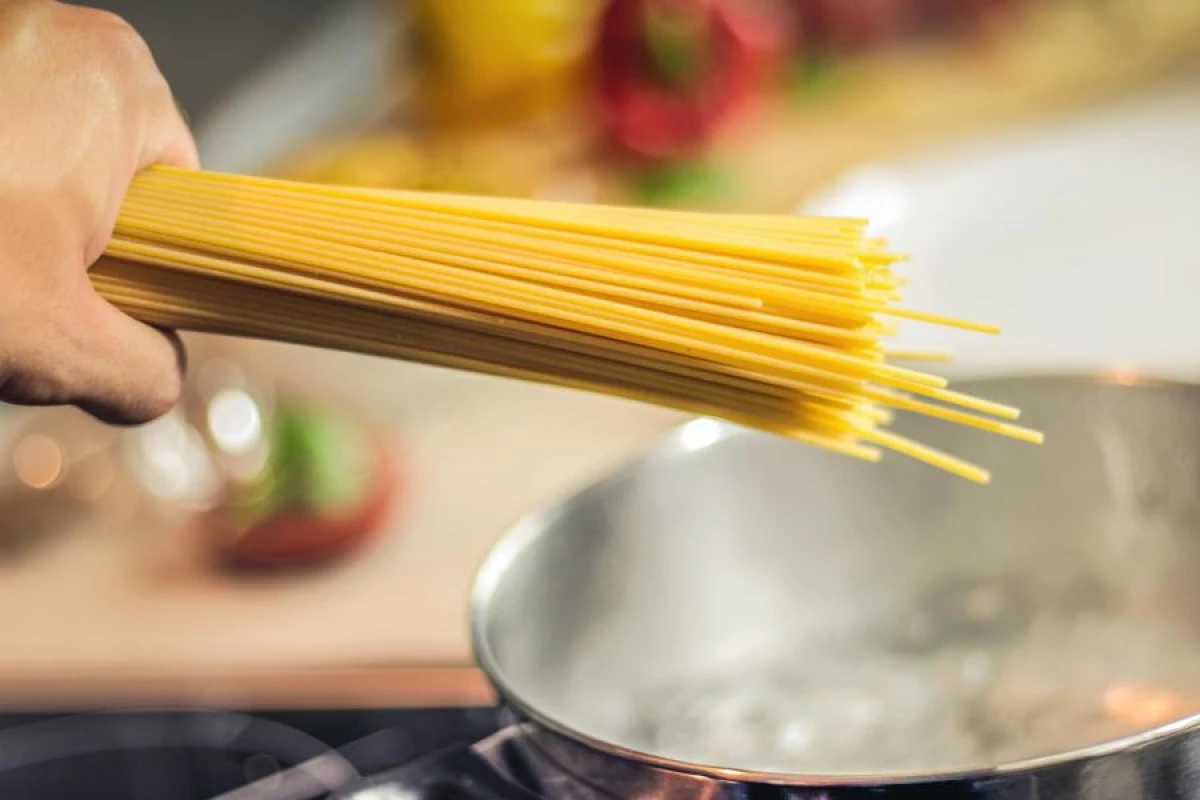
During the cooking of pasta, starch is released, and the liquid becomes cloudy. Many housewives pour it down the sink, but chefs use this water beneficially. Let’s consider how to use pasta water.
Sauce
This water can be used to make sauces that can transform any dish. The starchy liquid helps emulsify, binding water and oil, which makes the sauce thicker. This trick also works with water used to cook legumes or rice.
If you do not rinse the pasta, a layer of starch will remain on it, which will help better combine the pasta with the sauce, making the flavor more harmonious. Tomato sauce, cream sauce, Alfredo, and pesto go well with pasta.
How to save the water? You can use special spaghetti tongs, and small pasta can be conveniently retrieved with a slotted spoon or cooked in a pot with a built-in strainer.
Dough
Russian chefs recommend adding the starchy liquid to pancake batter. Pancakes made with this water turn out tender and do not stick to the pan. Pasta water can be used in any dough to improve its texture and elasticity.
Legumes
Peas, beans, and chickpeas are usually soaked to soften them and cook faster. If you leave them in pasta water, the cooking process will speed up. Starchy water can also be added to hummus, pea porridge, or pureed soups to achieve a creamy texture.
Dishes
If you run out of dishwashing gel or prefer eco-friendly products, try using pasta water. Starch effectively tackles grease and grime. After cooking, pour this water into the pan, then rinse under the tap. Don’t delay, or the starch will harden.
Fertilizer
Like the water after boiling eggs, this liquid contains beneficial substances and minerals necessary for houseplants. Wait for the broth to cool, then water your flowers. Repeat the procedure twice a week, and you can mix it with other fertilizers. Make sure the water is not too salty.
Spa Care
The starchy liquid is beneficial not only for plants but also for self-care. Many beauty bloggers recommend using it as a hair rinse, claiming that hair becomes soft and silky. The broth also helps eliminate oily shine and normalize the work of sebaceous glands, tightening pores on the face. Some housewives use this water to relieve tired legs by soaking their feet in a warm bath—swelling goes down in just 10 minutes.
How to stock up on “liquid gold” if you don’t cook pasta every day? Freeze the water in ice cube trays, then transfer it to a container. When needed, you can take out a few cubes and add them to soups or hot sauces without thawing.