
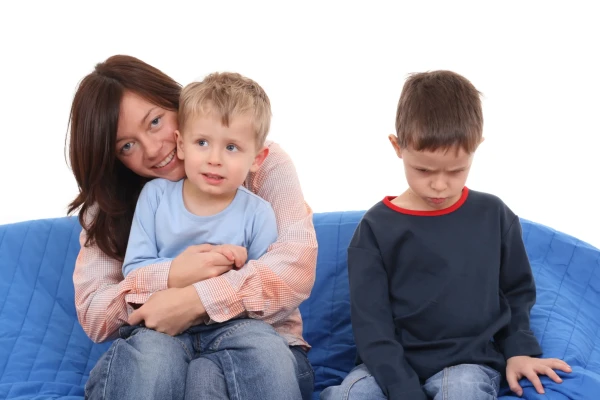
When several children grow up in a family, parents may feel that they treat them all equally. However, psychologists note that unconscious favoritism towards one child occurs much more often than is commonly thought and can affect the emotional state of the entire family.
Why Favoritism Arises
Favoritism is formed under the influence of many factors. Parents often show more attention to children who meet their expectations — for example, those who are more obedient, responsible, or resemble them.
Age also plays a role: older children often receive more trust due to their independence, while younger ones receive more care. Emotional closeness, resemblance to relatives, or parents' personal expectations can amplify this effect.
How Unequal Treatment Manifests
Favoritism is not always obvious. It can manifest in various forms:
Different Levels of Attention
One child receives more time, support, and approval, while the other often faces criticism or neglect.
Financial and Household Differences
Parents may spend more resources on one child — whether it's education, gifts, or extracurricular activities.
Control and Demands
Different rules may apply to children: one is allowed more, while the other faces stricter requirements.
How Children Perceive It
Even at an early age, children feel the difference in treatment. Research shows that by around one and a half years old, a child can respond to uneven attention compared to a sibling.
Unequal treatment can lead to decreased self-esteem, anxiety, and difficulties in building relationships. The "neglected" child suffers, but the one considered the favorite often experiences pressure from expectations and feelings of guilt.
What This Leads To
Long-term favoritism can exacerbate conflicts between children, create resentments, and persist into adulthood. In some cases, it is associated with the risk of emotional disorders and problems in social adaptation.
What Can Be Changed
Psychologists emphasize that the first step is recognizing one's own biases. It is important for parents to monitor their behavior and strive for an even distribution of attention and support.
In complex cases, working with a specialist may help to understand the reasons for such treatment and build a healthier model of interaction within the family.
Why This Matters
Equal and respectful treatment of each child is the foundation of psychological well-being and trust in the family.
A conscious approach to parenting helps not only to reduce conflict levels but also to foster a stable self-esteem and sense of security in children.













Leave a comment