
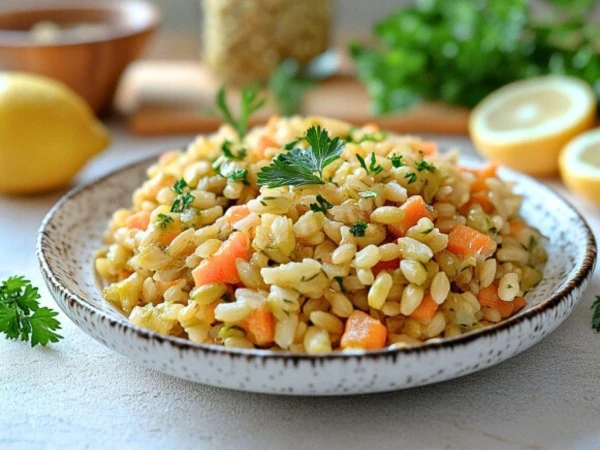
Barley is one of the most accessible and nutritious products that many underestimate. Experts note that it contains important minerals, including phosphorus, necessary for maintaining bone health, metabolism, and the normal functioning of the body.
Barley is produced from cleaned and polished grains of barley and has been used in nutrition for many centuries. Despite its reputation as a "simple" dish, this grain can compete in composition with many more expensive products.
Rich Source of Minerals
One of the key elements found in barley is phosphorus. This mineral is involved in the formation of bone tissue and teeth, and plays an important role in energy metabolism and the functioning of the body's cells. Phosphorus is part of compounds that ensure the storage and transfer of energy in cells, including ATP.
In addition, barley contains magnesium, iron, potassium, calcium, and other trace elements that are necessary for maintaining bone strength and normal muscle function. The balance of phosphorus and calcium is especially important for proper mineralization of bone tissue.
Benefits for Digestion and Metabolism
In addition to minerals, barley is rich in dietary fiber. Fiber promotes normal bowel function and helps maintain a healthy microbiome.
Whole grains, including barley, can also help stabilize blood sugar levels and improve metabolism. The grain contains B vitamins and other biologically active substances that are involved in the functioning of the nervous system and the body's energy metabolism.
Support for Bone Health
Phosphorus is considered one of the key elements for the formation of bone tissue. It interacts with calcium, ensuring the strength of bones and teeth, and is also involved in the formation of cell membranes and DNA.
Regular inclusion of whole grain products in the diet, including barley, can help maintain bone density and reduce the risk of deficiencies in important minerals.
Who Should Be Cautious
Despite its beneficial properties, barley is not suitable for everyone. The grain contains gluten, so it is not recommended for people with celiac disease or gluten intolerance.
Experts also advise moderation and taking individual health conditions into account, especially in cases of gastrointestinal diseases.
...Barley remains one of the most nutritious and affordable products in the diet. Due to its content of phosphorus, vitamins, and fiber, it can support the health of bones, the digestive system, and metabolism. Doctors note that in the absence of contraindications, it should not be completely excluded from the diet — on the contrary, moderate consumption of whole grains can be part of a balanced diet.














Leave a comment