We have saved your time and gathered a Lenten menu for each day of Great Lent — delicious, varied, and without unnecessary effort.
Great Lent 2026 began on February 23, and many began to think about how to structure their diet so that the seven weeks do not turn into a monotonous trial. Great Lent and its daily menu scare many precisely because of its apparent scarcity: no meat, no eggs, and no dairy products. But in practice, a Lenten table can be much more diverse and tastier than is commonly thought.
The Lenten menu for Great Lent is built according to clear rules: Monday, Wednesday, and Friday are raw days, only unprocessed food without oil; Tuesday and Thursday are hot dishes without oil; Saturday and Sunday are hot dishes with vegetable oil. Fish is allowed only on Annunciation and Palm Sunday — it sounds strict, but there are many more opportunities for creativity here than it seems.
Raw Days: Monday, Wednesday, and Friday
The menu for fasting on raw days is the most challenging part, but there is still room for delicious solutions. For breakfast, a fruit platter is perfect: pineapple, kiwi, orange, mango, and pear can be cut into pieces and drizzled with honey — it’s quick and truly tasty.
For lunch on a raw day, cold gazpacho soup saves the day: tomato juice, fresh tomatoes, cucumbers, bell peppers, a bit of garlic, and onion — everything is blended until smooth. Add basil or parsley, and you’ll have a rich, refreshing soup that requires neither a stove nor oil.
Dinner on a raw day — vegetable rolls in lavash. Fill them with whatever you have in the fridge: bell peppers, radishes, cabbage, tomatoes, spinach, and tofu cheese. Eating during Great Lent on raw days with this approach stops seeming complicated.
Hot Days Without Oil: Tuesday and Thursday
The Lenten menu 2026 on hot days without oil opens up many more possibilities. For breakfast, baked vegetable caviar is great: eggplants, beets, or bell peppers are baked in the oven, blended, seasoned with salt, and served with Lenten bread.
For lunch on such days, you can make bean soup on mushroom broth: dried mushrooms provide a rich, deep flavor that compensates for the absence of meat broth. Potatoes, carrots, onions, herbs, and separately boiled beans are added.
For dinner — rice porridge with raisins on a mixture of water and apple juice. The rice acquires a light sweetness and aroma, while the raisins make the dish festive. The menu during Great Lent on weekdays can indeed be flavorful.
Weekend Days: Saturday and Sunday
The Great Lent menu by days will delight on weekends: this is the most relaxed part — vegetable oil is allowed, which means access to frying, stewing, and full-fledged side dishes.
The main dish of the weekend is vegetable pilaf. Onions, carrots, zucchini, bell peppers, mushrooms, and rice are cooked in a cauldron or pot with thick walls. The vegetables are sautéed in oil, water is added, and they are stewed until soft, then mixed with rice and brought to readiness. At the end, garlic is added. The Lenten menu for each day of Great Lent in this execution is on par with a regular Sunday lunch.
For dessert on weekends, you can allow yourself something sweet: chia seed puddings with fruits, baked apples with honey and cinnamon, homemade halva from sesame, or fruit salads with nuts — it’s easier for sweet tooths to fast than it seems.
Fish Day: Annunciation and Palm Sunday
Two special days of the year when the Lenten menu for Great Lent allows fish — a real celebration for those observing strict fasting. The best solution is fish grilled or baked with vegetables and herbs. Salmon, cod, or pike perch, marinated in lemon juice with rosemary and fennel, cooked on a grill pan — this dish will adorn any table. Serve with baked potatoes with garlic or grilled vegetables.
What Must Be in the Lenten Diet
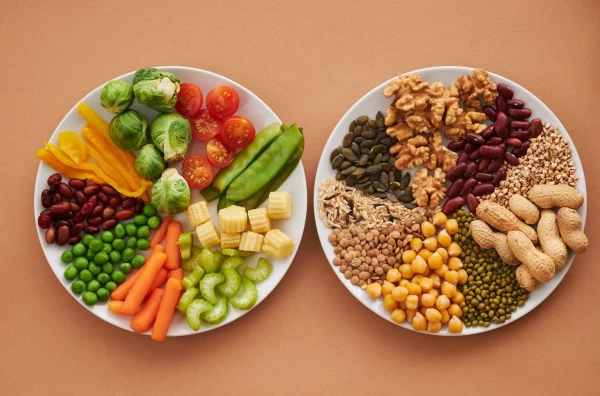
Great Lent requires careful attention to the balance of nutrients. Without meat, legumes become the main source of protein — beans, chickpeas, lentils, peas. Hummus, soups, and stews easily fit into the Lenten menu 2026 on any day of the week.
Grains and cereals provide necessary protein and B vitamins: buckwheat, rice, oatmeal, bulgur, or quinoa. Vegetables and fruits in their raw form are sources of fiber and vitamins, which are particularly lacking during fasting. Nuts and seeds fulfill the need for fats on oil-free days.
Great Lent is a time when food ceases to be the center of life and becomes just fuel, but that doesn’t mean it has to be tasteless. The Lenten menu for each day of Great Lent, with the right approach, turns out to be diverse, healthy, and even opens up products that were not previously considered. Sometimes limitations are the best reason for culinary creativity.