
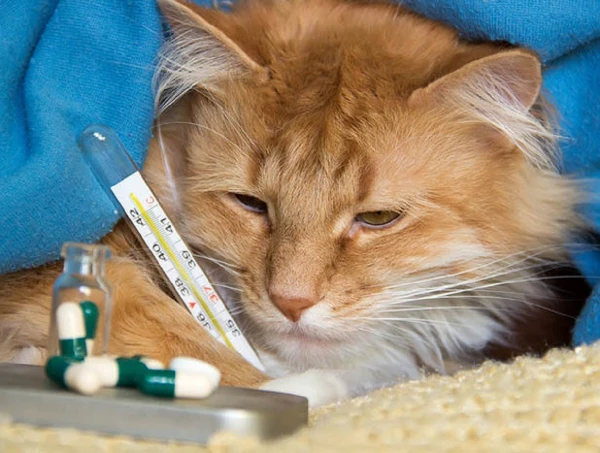
Sharp changes in the pet's behavior or appearance may indicate health problems.
1. The pet drinks too much or too little water
On average, cats need 100 milliliters of liquid for every 2 kilograms of weight. An animal weighing 5 kilograms will drink about a cup of water a day. The need for liquid can change depending on the weather: thirst occurs more often in heat. Diet also plays a role: cats that eat wet food instead of dry may drink less. Sharp changes in the pet's drinking habits should alert the owner. If the cat empties the water bowl faster than before, it may be a sign of diabetes, chronic kidney failure, or hyperthyroidism.
If the pet drinks little, this can also be a worrying symptom and indicate problems with the stomach or other organs. However, sometimes refusal to drink is not related to illness but to the cat's selectiveness. The owner needs to properly arrange the drinking area. Use a metal or ceramic bowl — plastic retains odors that repel the pet. Regularly rinse the container. Keep it away from the litter box and food bowl — some cats simply do not like to drink near food and especially near the toilet.
2. Its appetite has changed
Sometimes the reasons for refusing food are trivial: the cat may simply dislike the food or the bowl. Offer the pet a different treat and observe its reaction. A prolonged loss of appetite usually indicates a health problem. In some cases, cats stop eating due to infections, digestive system diseases, or dental issues. Also, animals may avoid the bowl if they have swallowed a foreign object.
Excessive appetite is also a bad sign. Sometimes it arises from diabetes, hyperthyroidism, or worms. If the cat eats more than usual but does not gain weight or even loses weight, it likely has parasites. Consult a veterinarian about what medications to give the animal for worm prevention.
3. The cat has stopped grooming itself (or, on the contrary, spends too much time on grooming)
A healthy pet regularly licks itself to clean its fur and remove matted clumps. An exception is long-haired breeds, such as Persians or Maine Coons. They find it harder to care for their coat and get rid of tangles. But if a cat that was always clean suddenly stops grooming, it may signal health problems. Sometimes animals find it difficult to lift their paws due to arthritis — movement causes pain. By the way, some animals do not want to groom themselves due to obesity — it is simply hard for them to reach their belly or tail. Such a pet definitely needs a diet: excess weight in cats leads to hypertension and heart diseases. To check how thoroughly the pet takes care of itself, pay attention to it after meals. Usually, cats always wash themselves after eating.
Sometimes cats groom themselves too often. This is easy to notice — the pet develops bald patches or areas with "trimmed" fur (the cat has chewed it especially intensively). The cause of excessive grooming may be allergies or fleas. Sometimes stress is the reason — in this case, the owner should pay more attention to the pet.
4. The pet has bad breath
A sharp, rotten smell may indicate problems with the kidneys or liver, diabetes, or skin diseases around the mouth. Often, the cause of bad breath lies in gum inflammation. You may notice additional symptoms. For example, sometimes the cat does not want to eat dry food and chews more slowly than usual. These problems cannot be ignored — in the future, the pet may lose its teeth. To prevent inflammation, veterinarians recommend brushing the cat's teeth daily with a special gel. It helps remove plaque that causes disease.
5. An unusual lump has appeared on the pet's body
If you pet the cat and feel a lump, do not ignore it. The presence of lumps may be a sign of cancer. Do not delay a visit to the vet: early diagnosis can help treat some tumors. If it turns out that cancer is already in the final stages and surgery is not feasible, you can consult on how to improve the quality of life for the ailing pet.
6. The cat has a wet face (but it has not been drinking water)
If the pet has a runny nose and eyes, this may be a sign of an upper respiratory infection. Cat colds resemble human ones in symptoms. In most cases, the animal copes with it easily, although a trip to the vet clinic will not be superfluous. Sometimes a cold leads to dangerous secondary infections, such as pneumonia. It is especially important to monitor the condition of kittens and elderly cats. Also, allergic irritation with similar symptoms can be caused by fleas.
Additionally, the face may be wet due to excessive salivation. This happens if the cat is poisoned and feels nauseous. If you do not see other symptoms, such as vomiting or diarrhea, excessive salivation may signal problems with the glands, teeth, gums, and even kidneys.
7. The cat is continuously vomiting
Sometimes animals vomit due to overeating or regurgitate hairballs. If this happens occasionally, there is no cause for concern. You can feed the food in small portions so that the hungry pet does not sweep it off the plate. Regular grooming and special food can help with hairballs.
Severe vomiting can be a symptom of allergies, intestinal inflammation, kidney disease, or even cancer. Do not wait for the problem to resolve itself: even with simple poisoning, the animal's body becomes dehydrated. Before taking your furry friend to the clinic, note the frequency and color of the vomit. This will help the veterinarian make a diagnosis.
8. The pet simply does not seem like itself
Sometimes it is difficult to understand what is wrong — the cat is just different. It used to be quiet, but now it meows loudly. Or, on the contrary, a noisy and active pet has become quiet and refuses to play. Often such changes in behavior indicate that the animal is experiencing pain or stress, for example, due to moving or the arrival of another cat in the house. If there have been no stressful situations, closely observe your pet. You will notice when exactly it behaves differently and discover the main symptoms. For instance, the cat moves slowly and no longer jumps onto its favorite windowsill. Most likely, these are signs of arthritis. And if the animal meows in the litter box, it may be suffering from cystitis or constipation.















Leave a comment