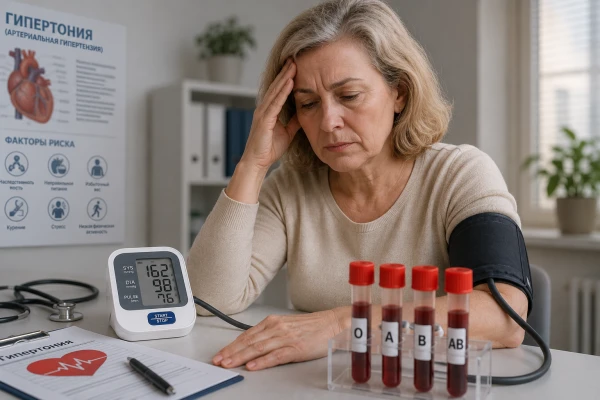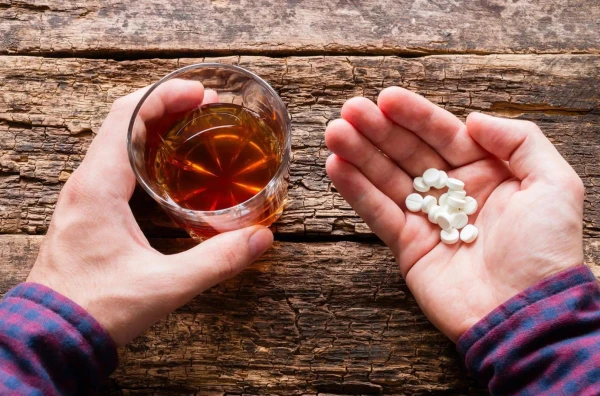
Hypertensive patients have to take blood pressure-lowering pills constantly. But how does this combine with alcohol? We asked a narcologist.
For many, celebrating the old year and drinking to the new one is an unchanging tradition. Even people who regularly take medications that are incompatible with alcohol start to doubt: is it really not allowed, or can I have just a little? Here’s what the doctor says about it.
"It’s best never to mix medications with alcohol consumption. Ethanol can enhance or weaken the effects of certain drugs," says Elena Kurkova, a narcologist, to "Doctor Peter."
Generally, alcohol amplifies side effects and diminishes the beneficial effects of medications. Sometimes the interaction of medications with ethanol metabolites (products of its breakdown) can be unpredictable and even life-threatening."
The expert named three of the most common consequences that can result from simultaneous intake of medications and alcohol.
Overdose
Some alcoholic beverages can enhance the absorption of medications, causing a sharp increase in the concentration of active substances and potentially leading to overdose.
Reduced Effectiveness of Medication
Alcoholic beverages (usually strong alcohol) increase mucus production, which coats the surface of the gastrointestinal tract. This protects the mucosa from the effects of alcohol but simultaneously hinders the absorption of medications, leading to a reduction in therapeutic effect.
Liver Strain
The combined intake of medications and alcohol increases the toxic effect on the liver, leading to various liver diseases. Additionally, alcohol can block or enhance the activity of liver enzymes involved in drug metabolism. This can also cause drug overdose or reduce the effectiveness of therapy.
Can You Drink if You Took Blood Pressure Medication in the Morning?
"The principle of treating hypertension involves the constant intake of antihypertensive medications, meaning that the drug is always present in the body. Therefore, the answer to the question of when one can drink after taking blood pressure medication is only one: never," says Elena Kurkova.
The interaction of antihypertensive medications with alcohol is unpredictable. Initially, alcohol has a vasodilating effect, which can lead to a sharp drop in blood pressure, fainting, collapse, pronounced weakness, and dizziness. But as the effects of alcohol wear off and its breakdown products accumulate, the opposite effect occurs — vasoconstriction, followed by a spike in blood pressure.
Moreover, the condition of a hypertensive patient is often exacerbated by salty snacks and food rich in spices and flavor enhancers. Excessive salt content in such products provokes fluid retention in the body, which increases blood pressure."
Alcohol and Antidepressants
Another unpredictable combination to avoid.
"Alcohol is a depressant in itself, which neutralizes the therapeutic effect of these medications. And tricyclic antidepressants combined with alcohol sharply enhance the sedative effect," the doctor responds.
But there are also more severe consequences. Some antidepressants (MAO inhibitors) under the influence of alcohol increase the risk of elevated blood pressure and arrhythmia. Additionally, all such medications are quite hepatotoxic, so their combination with alcohol further harms the liver.
Alcohol and Statins
Once again, the liver bears the brunt. The fact is that statins place additional strain on this organ, and alcohol only exacerbates the situation.
"Even a single combined intake of alcohol and statins can damage the liver," warns the doctor. "Moreover, alcohol can reduce the effectiveness of statins, leading to the accumulation of 'bad' cholesterol with subsequent cardiovascular disorders. Not to mention that alcohol itself poses a risk of cardiovascular diseases, which statins aim to combat, including ischemic heart disease, atherosclerosis, myocardial infarction, and stroke."
Alcohol and Sedative Medications
"Sedative medications (for example, benzodiazepines) suppress the central nervous system, and alcohol enhances this effect," notes the narcologist. "As a result, drowsiness occurs, reactions and thought processes slow down, a person becomes quickly intoxicated, coordination is disrupted, and breathing becomes depressed, meaning slow and shallow. In severe cases, this combination can lead to loss of consciousness, respiratory arrest, and brain coma," says Elena Kurkova.
Alcohol and Diabetes Medications
The combination of alcohol with blood sugar-lowering medications is considered dangerous, as ethanol decreases blood glucose levels during its metabolism.
"Hypoglycemia is a condition where glucose levels drop, and the body’s cells do not receive enough energy for vital functions. Thus, the combined intake of alcohol and diabetes medication can ultimately result in hypoglycemic coma," warns the doctor.
Alcohol and Blood Thinners
Aspirin, warfarin, clopidogrel, ticagrelor, and other anticoagulants used for thrombosis prevention are dangerous to combine with alcohol.
"The risk of internal bleeding of various locations and severity increases, and consequently, there is a real threat to a person's life," says Elena Kurkova.
Alcohol and Antibiotics
According to the doctor, this combination negatively affects the liver many times more, leading to damage to its cells up to liver failure. Moreover, alcohol reduces the effectiveness of antibiotics, prolonging the treatment course.
"It’s important to understand that the presence of medications in the blood persists even after the treatment course is completed. For some time, antibacterial active substances maintain their activity in the blood. Therefore, one should refrain from alcohol consumption for several days or even weeks after completing therapy," notes the doctor.
Medications That Slow Alcohol Metabolism
There are several medications that cause the body to process alcohol more slowly. For example, some antibiotics (metronidazole), cephalosporin drugs (ceftriaxone, cefabol, etc.), antifungals (griseofulvin), and sulfonamides (biseptol).
"The intake of such medications disrupts the function of the enzyme aldehyde dehydrogenase, which helps eliminate alcohol from the body. As a result, even small doses of alcohol taken together with these medications can cause nausea, vomiting, weakness, dizziness, and excruciating headaches. In particularly severe cases, this can lead to changes in heart activity, fluctuations in blood pressure, arrhythmia, and even respiratory distress or seizures," says the doctor.
Therefore, combining such medications with alcohol is extremely undesirable; it can genuinely threaten health and even life.
Thus, the danger of combining alcohol and medications lies in the fact that both components, when meeting in a person's body, can behave unpredictably.
"Of course, a purely symbolic dose of champagne or a candy with liqueur is unlikely to cause harm, but where is the guarantee that a person can stop at that? Therefore, one should not experiment for the sake of momentary pleasure," emphasizes Elena Kurkova.
Diseases for Which Even a Drop of Alcohol is Dangerous:
-
chronic pancreatitis;
-
peptic ulcer disease of the stomach and pancreas;
-
reflux esophagitis;
-
any liver pathology (chronic viral hepatitis, alcoholic liver disease, non-alcoholic fatty liver disease);
-
chronic inflammatory bowel diseases.
And what about light wine or non-alcoholic beer? The doctor responds: with the listed diseases, these drinks are also contraindicated.
"They have a high glycemic index and promote active insulin production. This places a heavy burden on the chronically ill pancreas, which can lead to the development of diabetes in the overwhelming majority of drinkers. Therefore, patients in this category should also refrain from consuming low-alcohol and non-alcoholic beverages," says Elena Kurkova.
Alcohol is contraindicated in heart diseases and encephalopathy: due to its toxic effects on organs, alcohol further worsens the condition.