
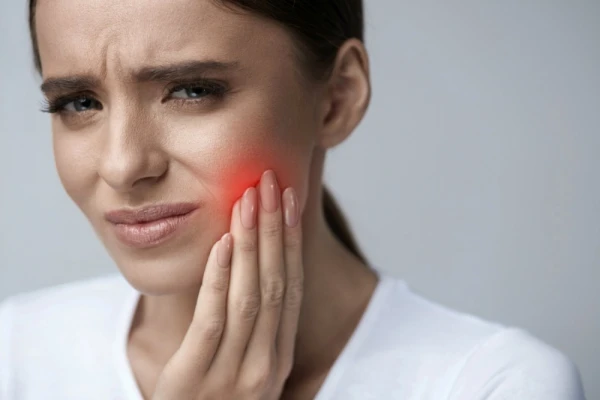
Let's admit it: in the cold, we think more about warm gloves and scarves, thermal underwear, and hot cocoa, but not about our teeth. Yet they are experiencing real stress during this time. Frost, dry air from radiators, the contrast of "icy wind and scorching coffee," the desire to eat something sweet — all of this hits enamel and gums harder than it seems. The result — sudden sensitivity, bleeding, and pain.
Dr. Aram Davidian — a dentist-surgeon, implantologist, and orthodontist, who sees every day how winter turns minor problems into major ones, explains how to protect teeth and the oral cavity during the harshest season.
What Exactly Happens to Teeth in Cold Weather
The body directs all its energy to warm vital organs, while hands, feet, and teeth remain "in the background." Add to this:
-
sharp temperature changes (stepping out of a warm subway — inhaling frosty air — entering a café and immediately taking a sip of boiling water);
-
humidity in the apartment at 15–20% (like in a desert);
-
seasonal viruses and reduced immunity;
-
a diet of acidic citrus fruits, sweet desserts, and hot drinks.
The result is predictable: enamel thins, dentin becomes sensitive, gums become inflamed, and bacteria feel right at home.
Why Cold Air Literally "Shoots" in the Teeth
"At sub-zero temperatures, the tissues of the tooth react more sharply to external stimuli: blood vessels constrict, dentin becomes more sensitive. The contrast of 'street plus hot drink' can lead to sharp, short-lived pains," explains Aram Davidian.
Simple rules that will save your nerves (and teeth too):
-
breathe only through your nose outdoors — yes, even if your mascara freezes;
-
do not drink hot beverages immediately after a frosty walk (wait at least 10 minutes);
-
if a tooth has "shot" more than twice — it won't just "pass," it's a signal to make an appointment with a doctor. Such pain often hides microcracks or early-stage cavities.
Dry Air Steals Saliva — the Main Defender of Teeth
Heating turns the apartment into an oven without steam. Humidity drops, saliva production decreases, and it is saliva that neutralizes acids and returns minerals to enamel. Without saliva, cavities develop faster, and teeth become vulnerable.
What to do:
-
drink warm water in small sips throughout the day (keep a bottle on your desk);
-
turn on a humidifier (and your skin will thank you);
-
chew sugar-free gum or munch on carrots and apples — saliva will flow more actively.
Enamel Under Attack: How to Help It Endure
In winter, we literally "bathe" our teeth in acid: tangerines, mulled wine, ginger tea with lemon, red wine, sodas. Plus the contrast: hot - cold. Enamel doesn't have time to recover.
"During this period, remineralizing therapy is especially important. It usually involves using products with strengthening components. The choice of composition is individual: it can be fluoride formulas or products with bioactive minerals. The optimal option depends on sensitivity, the condition of hard tissues, and medical recommendations," emphasizes Aram Davidian.
In practice: visit a dentist by the end of January and ask for a toothpaste, gel, or mousse specifically for you. This will take 15 minutes, and you will feel the effect in just two weeks.
Gums Also Suffer from the Cold
Blood vessels constrict, blood supply worsens, immunity drops due to a lack of vitamin D — and there are traces of blood on the brush, although this was not the case before.
Simple steps for salvation:
-
get tested for vitamin D (if below 40 ng/ml — take a supplement);
-
brush your teeth with a soft brush in circular motions, gently massaging your gums;
-
do not skip professional hygiene "because nothing hurts" — in winter, plaque accumulates faster.
When to Rush to the Dentist Without Delay
Winter loves to reveal old problems:
-
a tooth reacts to cold/hot for more than 5–7 seconds;
-
gums bleed regularly;
-
an unpleasant smell appears that doesn't go away after brushing;
-
the cheek is swollen, a filling is loose, a tooth cracked after a lollipop.
This is not "I'll endure until spring." This is "I'm making an appointment today."
Winter Diet Without Harming Your Smile
Minimum:
-
acidic juices, sodas, and "killer" lollipops;
-
the contrast of "ice cream right after soup" (yes, some do that).
"After tangerines, wine, or coffee with lemon — just rinse your mouth with clean water. Do not brush your teeth immediately: wait 30–60 minutes for the enamel to recover," advises the dentist.
Daily Hygiene That Really Works in Winter
-
In the morning and evening — 2 full minutes of cleaning with a soft brush.
-
Floss or interdental brushes — every evening, without exceptions.
-
Clean the tongue separately (up to 80% of bacteria accumulate there).
-
After acidic and hot — only rinse, put the brush aside.
Winter is a time when teeth need double care. Spend a little attention now — and in spring you won't have to spend money on treatment. Smile boldly even in the harshest frost: a beautiful smile warms just as well as cashmere.















Leave a comment