In Estonia, there is increasing concern about the pace of the Rail Baltica project in Latvia. According to Estonian officials and project leaders, the neighboring country's delay could lead to additional costs and jeopardize the overall construction schedule of the highway.
The progress of the Rail Baltica project became one of the main topics at the meeting of the Estonian Parliament's state budget control commission. Participants discussed project funding, construction timelines, and risks that may arise in the coming years, writes tv3.lv.
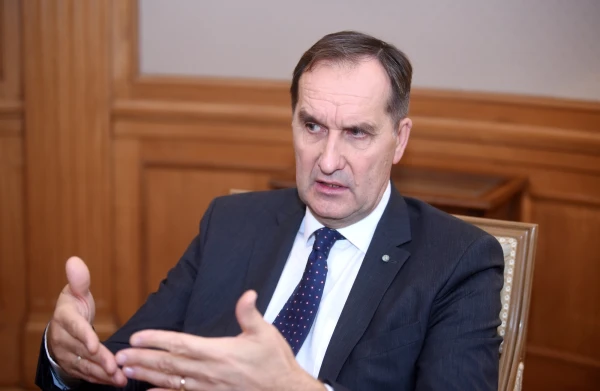
The situation was assessed most harshly by Estonia's state auditor, Janar Holm. According to him, the delay in the Latvian part of the project will inevitably affect Estonia as well.
"In any case, Latvia's inability to complete the construction of Rail Baltica on time will be costly for Estonia," he stated.
The Estonian Ministry of Climate emphasizes that the country continues to adhere to the original schedule and intends to complete the construction of the railway line by 2030.
Ministry representative Sander Salmu reminded that Rail Baltica is not only a regional project but also a pan-European one.
"It is an important element of the European transport corridor that the participating countries have committed to complete by 2030," he noted.
At Rail Baltica Estonia, they are also confident that, from a technical standpoint, completing the project on time remains an achievable goal. The head of the company, Anvar Salomets, reported that the necessary resources have been mobilized and work schedules have already been approved.
However, it is the Latvian section that raises the most concerns.
According to Holm, just a few months ago, representatives of the Estonian Ministry of Climate estimated Latvia's delay at about two years. If this assessment holds, the completion of the Latvian part of the project could be pushed back to at least 2032.
Additional concern also arises regarding funding. The Baltic countries expect to receive about 10 billion euros from the next European Union budget for the development of Rail Baltica. Of this amount, Estonia hopes to attract approximately 1.2 billion euros.
For comparison, over the last two budget periods, the entire project received about 4 billion euros in European funding.
At the same time, the Estonian side believes that halting work will only increase costs.
"If Estonia stops all work, the project will only become more expensive," emphasized Holm.
In Latvia, financial challenges remain significant. According to existing estimates, the country still lacks about 3.7 billion euros to implement the project on schedule.
This year alone, approximately 300 million euros need to be allocated for construction, and next year, the funding requirement will rise to 720 million euros. Without timely decisions, the risk of further delays remains.
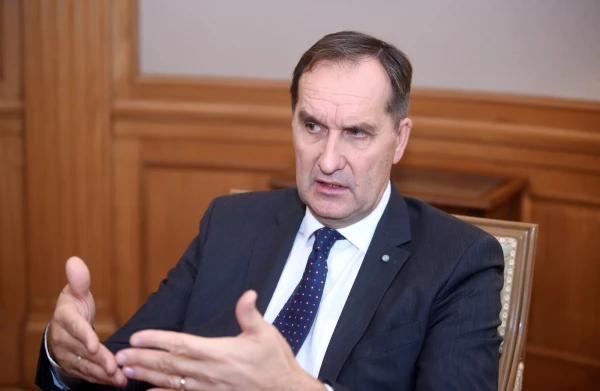
Latvian Prime Minister Andris Kulbergs, who has held the position for only a week, stated that he considers Rail Baltica one of the new government's priority issues. However, he emphasized that deadlines should not become the sole objective.
According to the head of government, constructing at any cost to meet the 2030 date could lead to even greater project cost increases, so it is necessary to find a balance between timelines and financial sustainability.
The discussion of Rail Baltica shows that the main issue for Latvia today is not only the construction of the railway itself but also finding the billions of euros needed to complete the project.