In recent weeks, there have been no bright battles in the Strait of Hormuz, and the price of diesel at Latvian gas stations has consistently remained below the psychological mark of two euros. However, the crisis with aviation fuel persists.
"Prolonged price increases may contribute to higher ticket prices, optimization of routes, and reduced flight frequency," the document from the Ministry of Climate and Energy of Latvia states.
Give Discounts and Extensions!
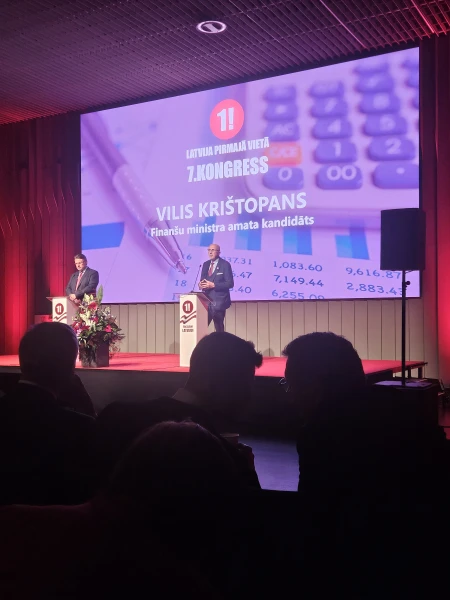
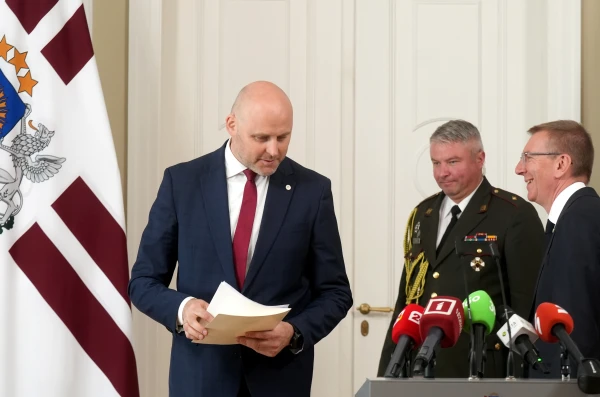
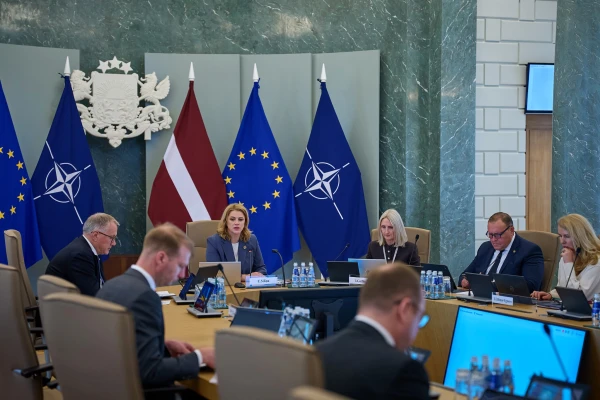
Today, at the meeting of the 'technical' government, still led by Evika Silina, Acting Minister of Climate and Energy Kaspars Melnis ("New Unity") will discuss how he requested discounts for the country at an informal meeting of fellow ministers in Nicosia, Cyprus.
Earlier, the Ministry of Transport of Latvia had already sent a letter to the European Commission, requesting targeted exemptions in the overall energy policy for the countries of the "Eastern flank" of the EU.
Of course, from Latvia's perspective, it is necessary to continue focusing on a decarbonized system with the lowest possible costs for society and the economy in the long term.
It looked smooth on paper, but they forgot about the ravines. "The increase in aviation fuel prices significantly affects the aviation industry in Latvia, especially the national carrier and Riga Airport," the information message from the Ministry of Climate and Energy indicates, "as fuel is one of the largest cost items."
You Can't Fly Far Without Hydrocarbons
Meanwhile, the EU continues to insist that member states adopt SAF (Sustainable Aviation Fuel) — a collective term for environmentally friendly types of aviation fuel produced without the use of fossil hydrocarbons (oil or natural gas). Our authorities argue that this "will further reduce profit margins and competitiveness."
Therefore, Latvia is asking Brussels not to terrorize Eastern European countries with the ETS (Emissions Trading System), a system for trading greenhouse gas emissions. In July, during the European Commission's review of new control figures, they are asking to "reduce cost pressure." Formally, of course, our republic "continues to move towards achieving climate goals"...
Meanwhile, at the energy summit, Latvia boasted about something: in the process of synchronizing our energy system with the European Union, the country acquired the most modern Battery Energy Storage Systems (BESS). All participants in the energy market can use them, reducing price fluctuations.