With the arrival of the summer season, everyone heads outdoors, but many have their relaxation spoiled by insect attacks, as well as the fear not only of their bites but also of the diseases they can cause. How do climate change and weather conditions affect insect attacks on people and how can one protect themselves from them?
In Latvia, under the influence of climate change (warmer winters and earlier springs), insects — especially ticks and mosquitoes — have started to become active earlier and remain active longer.
High Mosquito Activity Expected
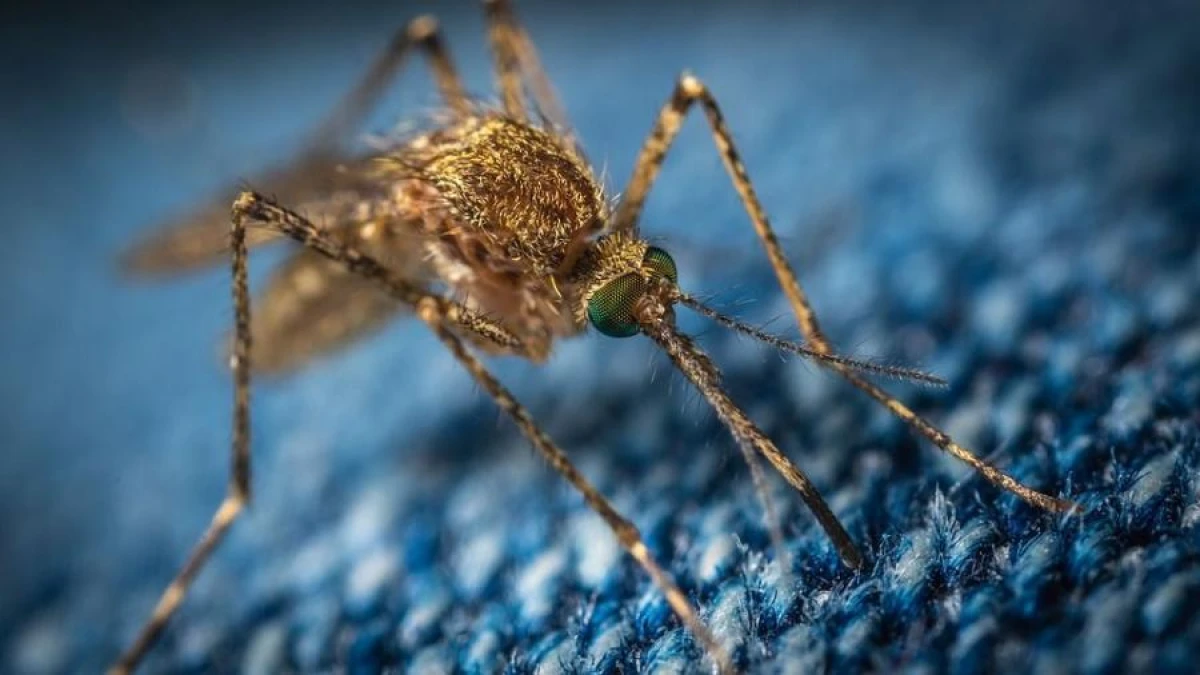
It is believed that there are about 50 species of mosquitoes known in Latvia. It is in warm weather, when temperature and humidity are suitable, that these species can reproduce in huge numbers. Heat and humidity contribute to the spread of mosquitoes, and in many places they have already become a significant nuisance.
It should be emphasized — a nuisance, since, unlike ticks, mosquitoes in our latitudes are not yet carriers of dangerous diseases.
Long-term forecasting of how many mosquitoes will be in Latvia this summer is difficult; however, entomologists focus on two main factors: humidity and warmth in the spring months. If spring is cold and winter was long, this usually delays the development of the first generations of mosquitoes.
For reproduction, mosquitoes need standing water. If the spring flood was pronounced, and then warm rains followed, filling puddles and ditches, the number of mosquitoes can sharply increase. Even if spring passes quietly, sudden summer downpours, as was the case in late July 2024, can trigger a local "mosquito apocalypse." If a prolonged drought occurs, the number of mosquitoes in cities and open areas will significantly decrease, as the habitats for larvae will dry up.
Forecasts for this year indicate that the summer of 2026 in Latvia will be hot and dynamic, which may create favorable conditions for mass mosquito development. Meteorologists warn that 2026 could become one of the hottest years on record, and mosquitoes reproduce most actively in such tropical conditions.
Given the anticipated summer rains, high mosquito activity is expected in Latvia this summer, especially after the first strong thunderstorms in June and July.
Invasion of the Meadow Tick
Global warming has also contributed to the spread of ticks. The director of the Institute of Occupational Safety and Environmental Health at the University of Stradiņš, Professor Ivars Vanadziņš, says: “This is happening slowly and gradually, but certainly. For example, ticks.
A new species has appeared — the so-called meadow tick. It is a carrier of diseases to a significantly greater extent than the ticks that have been widespread here until now. An increase in temperature of just one or two degrees — and they come to us, along with a significantly higher number of cases of tick-borne encephalitis and Lyme disease. In practice, this is now almost inevitable.”
Data from the Latvian Centre for Disease Prevention and Control (SPKC) show that the prevalence of tick-borne diseases (tick-borne encephalitis and Lyme disease) remains high and has increased in recent years.
In 2025, 186 cases of tick-borne encephalitis were registered — 20 more than the previous year, as well as 539 cases of Lyme disease, which is a significant increase compared to 2024, when there were only 359 cases.
Therefore, epidemiologists strongly recommend vaccination against tick-borne encephalitis. Ticks become active at air temperatures above +3...+5 degrees, and their period of activity this year may last until late autumn.
In addition to vaccination, SPKC urges adherence to precautionary measures — choosing light, closed clothing, using repellents, and thoroughly inspecting the body and clothing after being outdoors. Special attention should be paid to children.