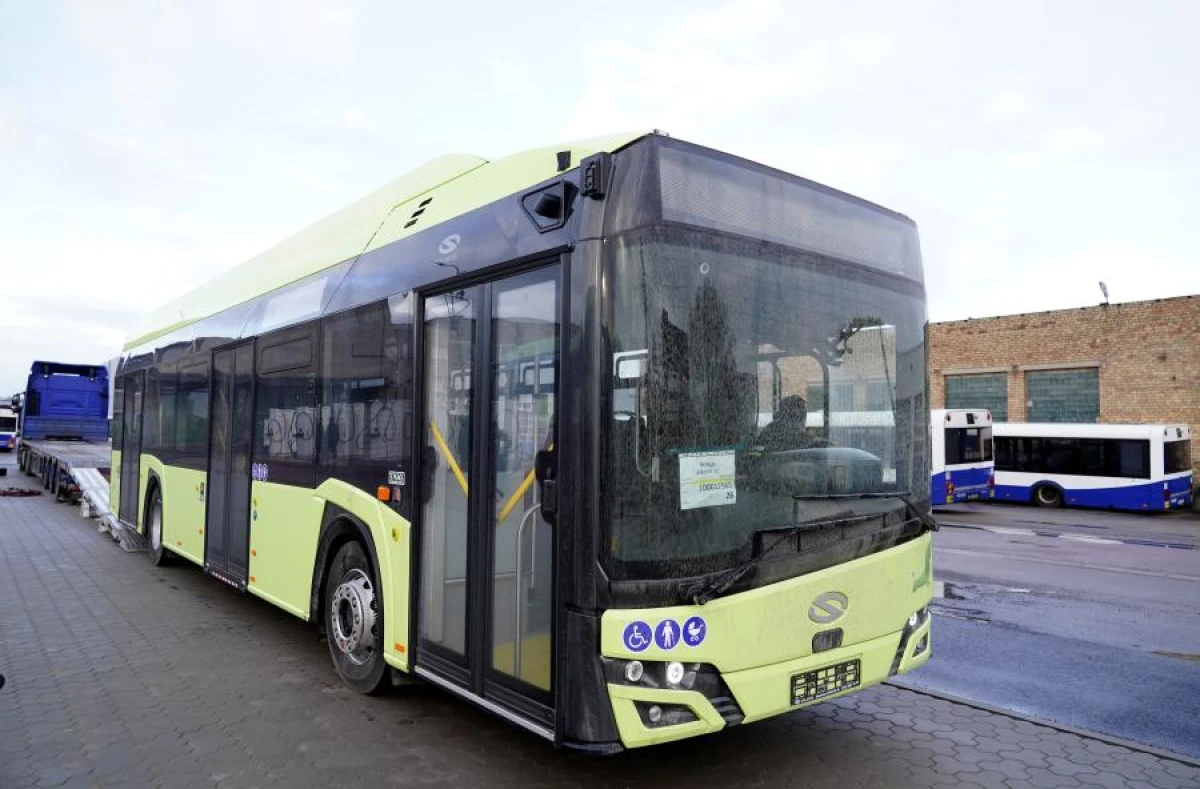
In case of a threat in the airspace, public transport passengers will not be left on the road where the vehicle has stopped, and after the threat is over, the service will be completed, the Ministry of Transport reported.
These are the principles of action developed by the Ministry for its subordinate institutions and enterprises, including regional carriers, in case of threats in the border areas of eastern Latvia. They define the actions of carriers, including informing passengers.
As stated by the State Secretary of the Ministry of Transport Andulis Židkovs, in cases of threats in the airspace, the main priority is to ensure the safety of passengers, so in regional trains and buses, conductors and drivers will inform passengers about the necessary actions. "The main thing passengers should remember in such cases is that no one will be left on the road or in the place where the train stopped," emphasized Židkovs.
In the event of an orange alert being issued in the relevant area, transport will not depart for routes until it is lifted and will not enter areas where the threat is active. In situations where there is no direct and obvious threat, services will continue if it is possible to leave the threat zone within 20 minutes. If this is not possible, the vehicle must reach the nearest location where passengers and the driver can take shelter.
In rail transport, evacuation of people to waiting rooms at the station should be organized if possible in case of a threat.