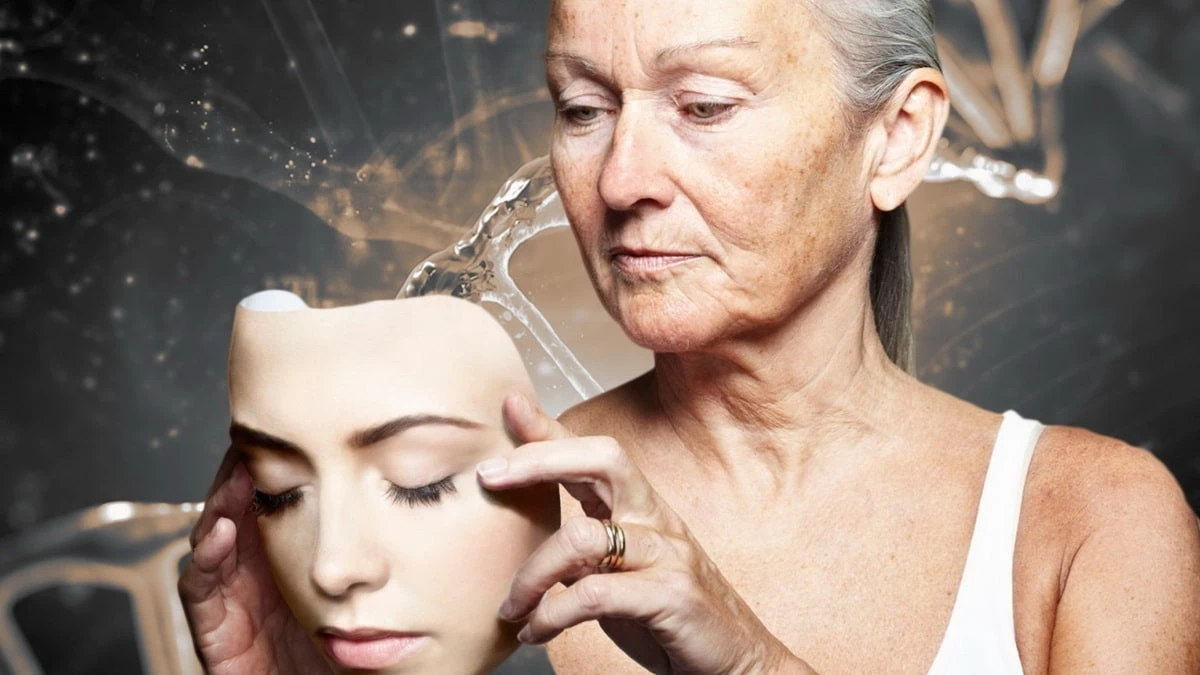
Aging has long been considered an inevitable process that cannot be controlled. However, modern research shows that the rate of biological aging depends not only on heredity but also on many factors that individuals can influence. Scientists have already identified key longevity genes and mechanisms that help the body maintain youth longer.
Aging is a complex biological process that intertwines genetic traits, lifestyle, and environmental influences. Over the past few decades, genetics has made a significant breakthrough: scientists have not only discovered genes associated with longevity but also identified the mechanisms that determine the rate of biological aging.
According to therapist Marina Stepkovskaya, researchers today increasingly view aging not as an inevitable sentence but as a process that can be influenced.
Telomeres — The Biological Clocks of the Body
At the ends of chromosomes are special protective structures — telomeres. Their primary function is to protect DNA from damage during cell division.
As we age, telomeres gradually shorten. When their length reaches a critical level, the cell loses its ability to divide and renew itself. This process is called cellular aging or senescence, and it is considered one of the key mechanisms of age-related changes.
The length of telomeres is partially determined by heredity. People whose telomeres shorten more slowly tend to be long-lived.
However, the enzyme telomerase, which can restore telomeres, is active only in certain types of cells. Its excessive activity can increase the risk of tumor development.
That is why the length of telomeres is now considered one of the most studied markers of biological age.
Which Genes Are Associated with Longevity
Studies of people who have lived over 90 and even 100 years have identified several genes that are more frequently found in long-lived individuals.
Among them:
• FOXO3 — involved in regulating metabolism, the immune system, and protecting cells from stress;
• APOE2 — associated with a reduced risk of cardiovascular diseases and dementia;
• SIRT1 and SIRT6 — belong to the sirtuin family and are involved in DNA repair, inflammation control, and energy metabolism;
• IGF1 system genes — regulate growth hormone and metabolism. Lower activity of these mechanisms has been linked in several studies to increased lifespan.
However, scientists emphasize that there is no single "immortality gene." Lifespan depends on the functioning of numerous genes and their interaction with the environment.
Why DNA Repair Is So Important
Every day, hundreds of thousands of DNA damages occur in the cells of the body.
The efficiency with which the body can eliminate these errors determines the rate of mutation accumulation and the pace of aging.
Special DNA repair systems are involved in this process, including the BRCA1 and BRCA2 genes, PARP enzymes, and other cellular protection mechanisms.
According to specialists, disruptions in the functioning of these systems lead to accelerated aging and increase the risk of age-related diseases. In contrast, many long-lived individuals have more efficient DNA repair systems.
The Role of Mitochondria in Longevity
Another important factor is mitochondria — the energy stations of the cell.
They have their own DNA, which is particularly vulnerable to damage. With age, the number of mutations in mitochondrial DNA increases, leading to a decrease in the energy resources of cells and an increase in oxidative stress.
Some long-lived individuals have been found to possess genetic variants that ensure more efficient mitochondrial function and lower production of free radicals.
What Is More Important — Heredity or Lifestyle
Modern studies show that genetics accounts for about 20–30% of a person's lifespan.
The remaining 70–80% depend on lifestyle and external factors.
These include:
• diet;
• regular physical activity;
• adequate sleep;
• stress levels;
• quitting smoking;
• moderate alcohol consumption;
• active communication and social connections.
These factors allow individuals to maximize their genetic potential.
The Main Discovery of the 21st Century
Just a few decades ago, it was believed that aging was completely programmed by nature. Today, scientists increasingly talk about the fact that this process is significantly more flexible than previously thought.
Research shows that the rate of aging can change under the influence of habits, lifestyle, and advancements in modern medicine.
Therefore, DNA only defines the initial conditions, while how quickly the body ages largely depends on the individual.
The main conclusion of modern research is that aging is no longer perceived as a completely uncontrollable process. Although scientists are still far from creating a recipe for immortality, they already understand which mechanisms help maintain health and prolong active life. Genetics sets the starting possibilities, but it is daily habits that can significantly influence how long and well a person will live.