As people age, many are more interested in their own feelings than in how they appear to others.
They say that as we age, children start to resemble their parents. It's a debatable statement, but we do adopt some habits and character traits because we grew up in the same environment.
Moreover, among these habits are those we thought in childhood: "I will never do that!" We used to laugh at our mother's habit of checking if the iron was turned off three times in a row — now we ourselves pull the handle five times before leaving the house and still doubt. We mocked the obsession with sorting socks strictly by color — now our sock sorting system includes not only colors but also the degree of wear. And we are also ready to…
…choose comfort first, fashion is secondary
In youth, we want to conform to all fashion trends and dress in a way that attracts looks and compliments, even if it means enduring discomfort. As people age, their preferences often change: they are more interested in their own feelings than in how they appear to others. By the way, researchers have studied this phenomenon and concluded that the desire for comfort is a natural shift in priorities. And it doesn't matter who looks at them and how.
…prefer a cozy evening at home to any party
Have you seen the memes about gathering a group of friends after 40? When everyone needs to have a day off, no one is sick, everyone is in a good mood, and Mercury is in the right Aquarius?
Well, it's no joke: with age, many people really become homebodies. They are not bothered by an evening spent not at a party; moreover, they can spend the entire weekend at home and consider it the best rest. The desire to go out somewhere in the evening after work is an exception to the calm home life.
…take care of health
One could laugh at parents with their eternal "Put on a hat!", "You need to eat soup!", "Where would you go without tights?". In childhood, even in youth, we often rolled our eyes more than listened to our elders. But here’s the paradox: as we age, we often come to the conclusion that they were right and torment our children with the same remarks. It’s simple: with age, you realize that prevention is cheaper than treatment. And taking care of oneself becomes not an obligation but a conscious choice.
…linger in "home goods" stores
Do you remember how happy your mom was about new curtains? And how excited your dad was about buying a sofa? Back then, it was hard to understand what was so great about such boring things. But now you yourself choose textiles, furniture, kitchen items with some childlike joy — in general, you enjoy decorating your home.
Psychologists say that shopping habits change with age. Just like in clothing, in everyday life we prefer comfort and convenience and are willing to spend a considerable amount of money on it. And by the way, when we buy things that match our character or lifestyle, we feel much happier.
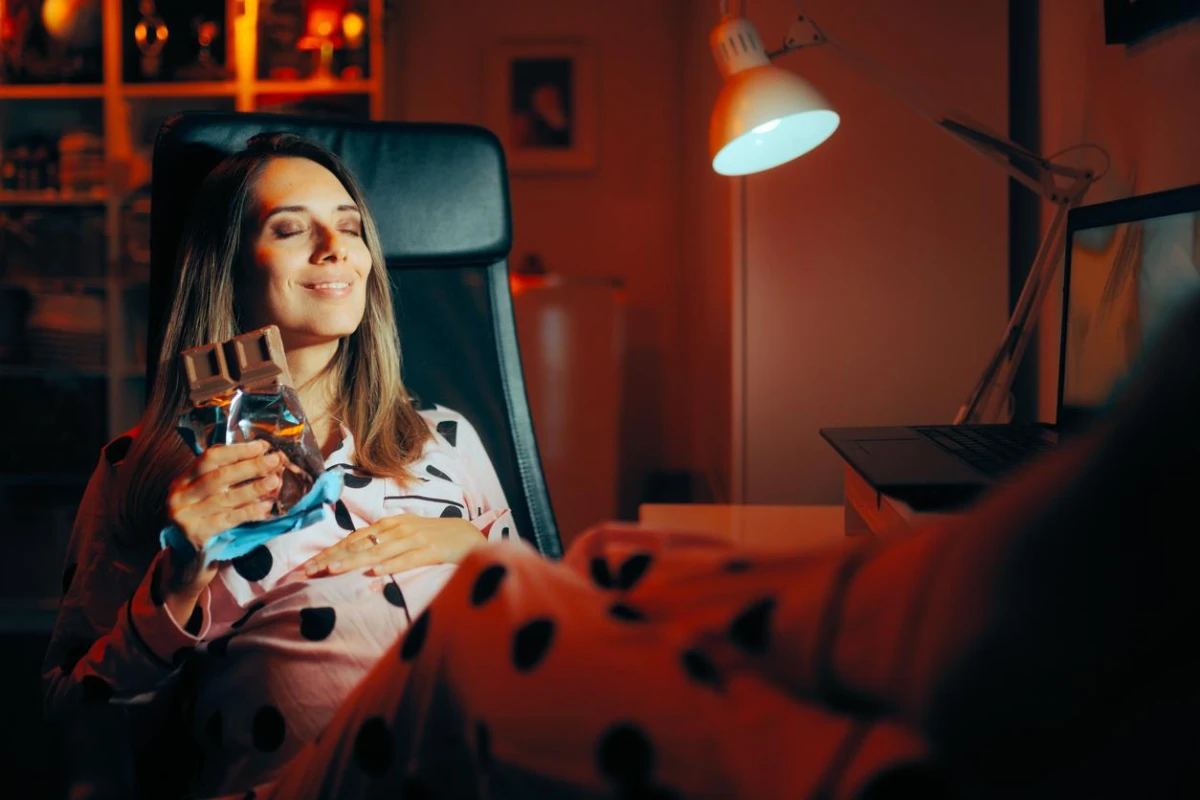
…go to bed earlier
Another irritation from childhood: parents send you to bed, while the nightlife is so tempting! It seems that if you lie down now, you will miss all the interesting things. And you promise yourself: when I grow up, I will stay awake all night!
You’ve grown up and… now you go to bed earlier and earlier. This is confirmed by the National Institute on Aging in the U.S.: among middle-aged people, there are already many more "larks" than "owls".
…keep old chargers and gadgets
Of course, you might say: our parents didn’t have so many gadgets. But what matters is not what you specifically keep, but the very fact of accumulation. Surely you had a box with buttons at home, a jar with screws, a drawer with some old devices. Because they might come in handy. And as you age, you start to act in the same way. So you probably have a box with wires, mice, adapters, and other devices — just in case.
…watch the weather
In youth, we only laughed at our parents who checked the weather forecast every morning. Getting caught in the rain was fun and not particularly critical. But life quickly taught a lesson: a couple of soaked suits before important interviews — and now we ourselves first thing in the morning open the weather app, studying the hourly precipitation chart. And yes, if rain is promised after 6:00 PM, we still take an umbrella in the morning: better safe than sorry.
…cook for several days
In childhood, the phrase "We have food at home" only brought a sigh of disappointment — we wanted something tasty and unusual, and most importantly, not at home. A trip to a café was an adventure and even entertainment, and in adolescence, a symbol of a certain freedom.
But the years go by, and now we proudly glance at containers with food prepared for the week. What seemed like a boring parental habit has turned into a conscious life hack: saving time, money, and nerves.
…feel relief when plans change
In childhood, we were upset if we couldn’t go outside, visit friends, or if our parents had to cancel a trip to the zoo. How could that be? We had plans! It was frustrating that they fell through. But adults seem to care less…
Now we feel almost physical relief when someone cancels an event we have been preparing for. This is especially familiar to introverts: how much energy goes into rehearsing conversations, choosing outfits, "recharging the social battery"… When all this gets canceled, we can finally breathe. Now it feels like a perfectly reasonable reaction to extra stress.
…participate in all family and neighborhood "dramas"
In youth, we were incredibly annoyed that our parents were so interested in neighborhood gossip and family disputes. Why do they care? What difference does it make who quarreled with whom? Isn’t it easier to stay out of all these "dramas", since getting involved is a waste of time?
But now we unexpectedly notice that we ourselves listen with curiosity to news from the stairwell, discuss with colleagues the latest events in the family of distant relatives, or even inadvertently get involved in solving someone else's problems. It’s not necessary to become the neighborhood gossip, but we have to admit: what seemed funny in our parents sometimes resonates with us now.