Early greenhouses are used from the end of February, semi-warm ones from mid-March, and cold ones from the end of March or early April.
Every gardener strives to organize plantings in the greenhouse so that the soil does not remain empty. The crops that can be grown in greenhouses are divided into preceding, main, intermediate or compacting, and winter crops.
The preceding crops include cold-resistant early vegetables and leafy crops: spinach, various types of lettuce and salad vegetables, including Chinese cabbage, mustard, dill, radishes, and early carrots.
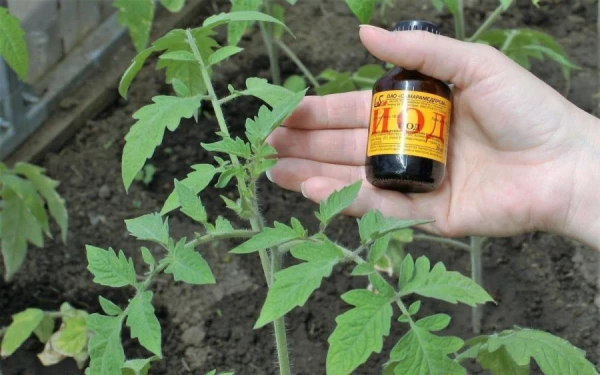
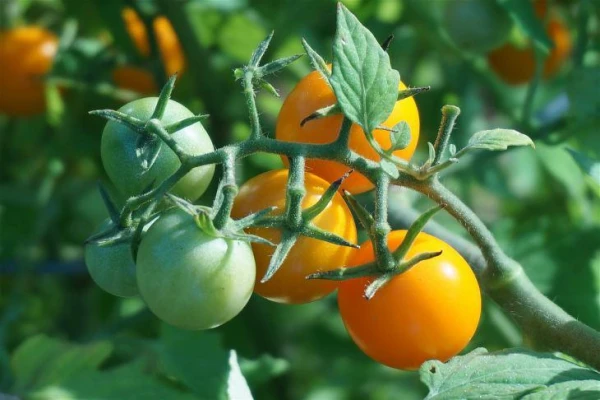
The main crops are heat-loving and slowly ripening plants, such as tomatoes, cucumbers, sweet peppers, and eggplants. The seedlings of the main crops can be planted after the preceding ones. For example, tomatoes can be planted after mustard. As the planted seedlings of the main crop grow, the preceding ones are harvested.
As compacting crops, compact and fast-growing species can be planted along the edges of greenhouse beds or in the rows between the main crop: lettuce, watercress, mustard, radishes, and Chinese cabbage. It is also possible to plant green onions, rhubarb, and root vegetables for greens. All of this is planted before the main crop grows and occupies the entire necessary feeding area. Then, as the intermediate crop is harvested, the main crop remains in favorable conditions for growth and development.
The season in the greenhouse is completed with winter crops: valerian, parsnip, chicory, and sorrel.