
The annual production volume is expected to reach approximately 56.7 million USD.
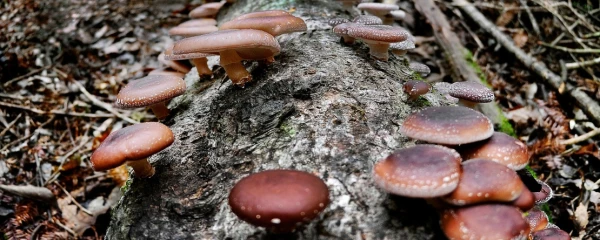
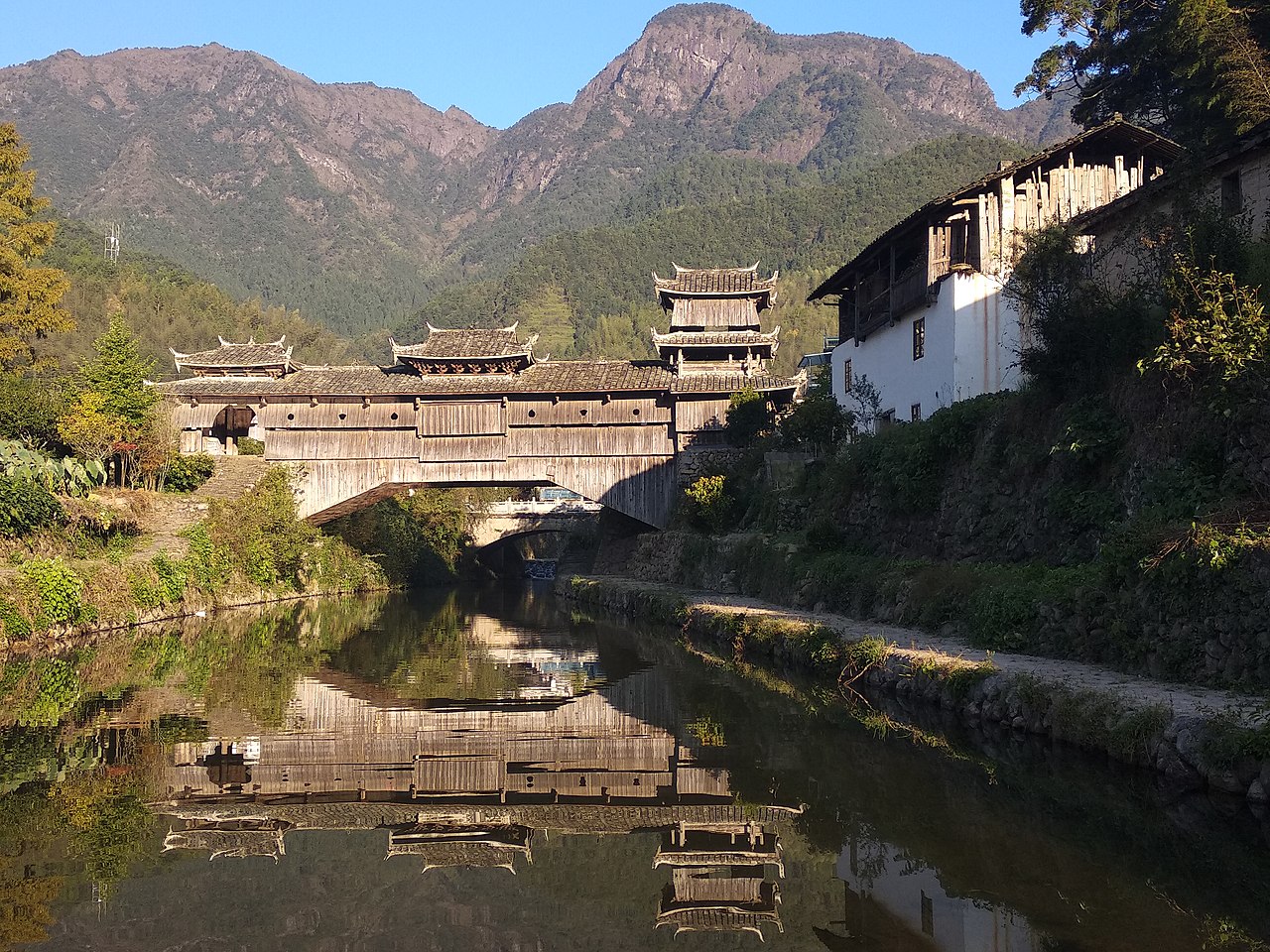
Located in the remote mountains of eastern China's Zhejiang Province, Qingyuan County has transformed its dense forests into a source of sustainable wealth by cultivating edible mushrooms, harmoniously blending centuries-old traditions with modern technologies in unity with nature.
A striking example is Qingyuan County Junbo Biotechnology Co., Ltd., which has over 30 years of experience in the production and sale of shiitake mushrooms and is now investing in intelligent technologies to enhance productivity.
"We have abandoned traditional drying and sorting methods and implemented 53 intelligent drying units," said the company's Deputy General Manager Yang Tao, noting that these machines are adapted to local mushroom varieties and allow for automated drying with remote monitoring.
Yang Tao explained that the new process significantly reduces defects such as deformation, cracking, and color change. Thanks to artificial intelligence sorters, sorting accuracy has increased to 95 percent. Drying each ton of fresh mushrooms now saves 370 kg of firewood and reduces carbon emissions by 230 kg.
"Technologies are pushing the industry forward, reducing costs and increasing efficiency," said Yang Inkun, a technical researcher at the Qingyuan County Mushroom Industry Development Center. He added that the center collaborates with universities, including Jilin Agricultural University, to develop new mushroom varieties suitable for industrial cultivation.
While companies like Junbo lead in technological innovations, Qingyuan County, widely recognized as the home of shiitake mushroom cultivation, is setting even more ambitious goals. An industrial park specializing in research, processing of edible mushrooms, and agritourism is being built nearby, with its opening scheduled for the end of 2027.
The park will implement intelligent technologies such as energy-efficient dryers that reduce fuel consumption and lower the risk of fires. Official estimates suggest that the facility will save about 7,500 tons of firewood annually and reduce carbon dioxide emissions by 3,000 tons, as well as significantly decrease sulfur dioxide and nitrogen oxides emissions.
Once operational, the park is expected to achieve an annual production volume of over 400 million yuan (approximately 56.7 million USD). Additionally, it will support more than 5,000 local rural families and help mushroom farmers earn an additional 200 million yuan annually.
Junbo also regularly conducts training for local producers, increasing the average annual income of residents by more than 30,000 yuan and creating over 200 jobs in the community.
These efforts are part of a broader strategy by Qingyuan County to transform the edible mushroom sector into a driver of shared prosperity. As of 2024, this industry has provided employment and income increases for over 40,000 people, with the average annual per capita income reaching approximately 36,000 yuan.
These compact forest cultures have also increased farmers' incomes in over 400 counties across more than 20 provincial-level regions in China. A key driver of this expansion has been a pioneering certification program for qualified mushroom farmers in the remote mountainous county, which has trained 706 technicians by 2024. These experts now share their knowledge nationwide, helping others to increase both yield and income.
The harmony between humans and ecology in this region dates back to the 13th century and has received global recognition. In 2022, the Food and Agriculture Organization of the United Nations (FAO) designated Qingyuan County's joint forest and mushroom cultivation system (QFMCS) as a "Globally Important Agricultural Heritage System."
QFMCS represents a sustainable agroforestry model that integrates forest management, mushroom cultivation, and cyclical resource use in mountainous areas. Through these efforts, local communities have ensured food security and livelihoods while developing a unique system of joint forest and mushroom cultivation technologies.
"This system promotes the harmonious coexistence of humans and nature. Agricultural heritage is not a relic of the past, but a living form of production that is relevant to the present and future," said Yang Inkun.













Leave a comment